

Our mission: To live God’s love by promoting and restoring health
Our story actually starts with the healing ministry of Jesus Christ—the Great Physician—whose example of unconditional love inspired a global movement of faith-based healthcare. From that tradition emerged the Seventh-day Adventist approach to medicine, grounded in the belief that true healing extends to mind, body, and spirit.
That philosophy resonated deeply with the Kettering family. Their commitment to practical innovation and human dignity led them to partner with the Seventh-day Adventist Church to bring whole-person care to the Dayton region.
More than 60 years later, that founding vision continues to guide how we care, how we lead, and how we serve—today and into the future.
The Adventist health tradition
The Seventh-day Adventist health movement began in the 1860s with a belief that the best care is care that is whole-person, preventative, and compassionate. Ellen White, an American health reformer, helped shape a vision of health that included lifestyle, spiritual wellbeing, and service to others.
This movement led to the creation of one of the world’s largest Protestant healthcare networks—an enduring tradition of combining medical excellence with faith-driven compassion.
One of the early expressions of this Adventist approach was the founding of Hinsdale Sanitarium in 1904 under the leadership of Dr. David and Dr. Mary Paulson. Later known as Hinsdale Hospital (today AdventHealth Hinsdale), it became known for its integrated approach to healing.
That tradition matters. And it’s what compelled a famous Dayton family to find a way to bring it to the region.
A vision for improving life
Born in 1876, Charles F. Kettering devoted his life to solving real-world problems through ingenuity and persistence. As founder of the Dayton Engineering Laboratories Company (Delco) and research director at General Motors for nearly three decades, he held more than 180 patents, including the first practical automobile self-starter and advances that helped shape modern transportation, diagnostics, and comfort.

But Kettering’s legacy reaches beyond invention. He believed progress should serve people, not the other way around. His work reflected a conviction that innovation, when guided by purpose, could improve everyday life and expand access to opportunity, mobility, and health.
“The whole fun of living is trying to make something better.”
—Charles F. Kettering
This philosophy of purposeful innovation shaped Charles F. Kettering’s son, Eugene, who would extend his father’s influence and vision, aligning it with a mission of care that has shaped history.
The moment that sparked Kettering Health
In the 1950s, during the polio epidemic, Eugene and Virginia Kettering—son and daughter-in-law of inventor Charles F. Kettering—witnessed a unique approach to healthcare at Hinsdale Sanitarium in Chicago during the 1950s polio epidemic
What they saw was more than high-quality medical treatment. They observed something distinct:
- A deep sense of purpose behind the work
- Excellent, evidence-based care
- A compassionate bedside manner
- Attention to emotional and spiritual needs
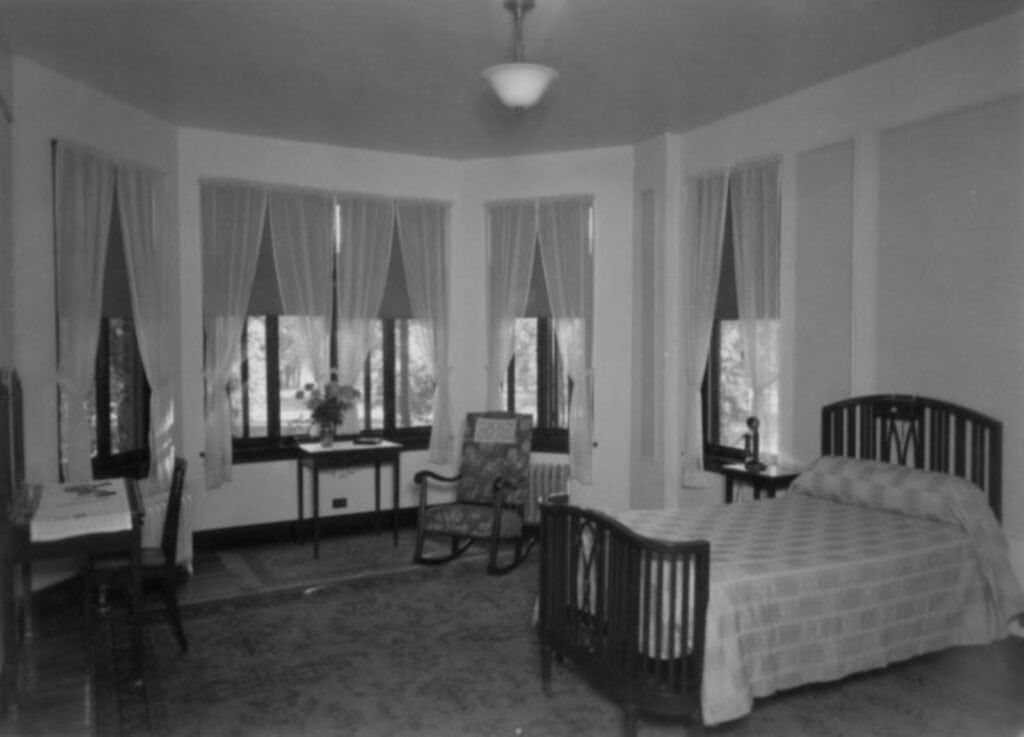
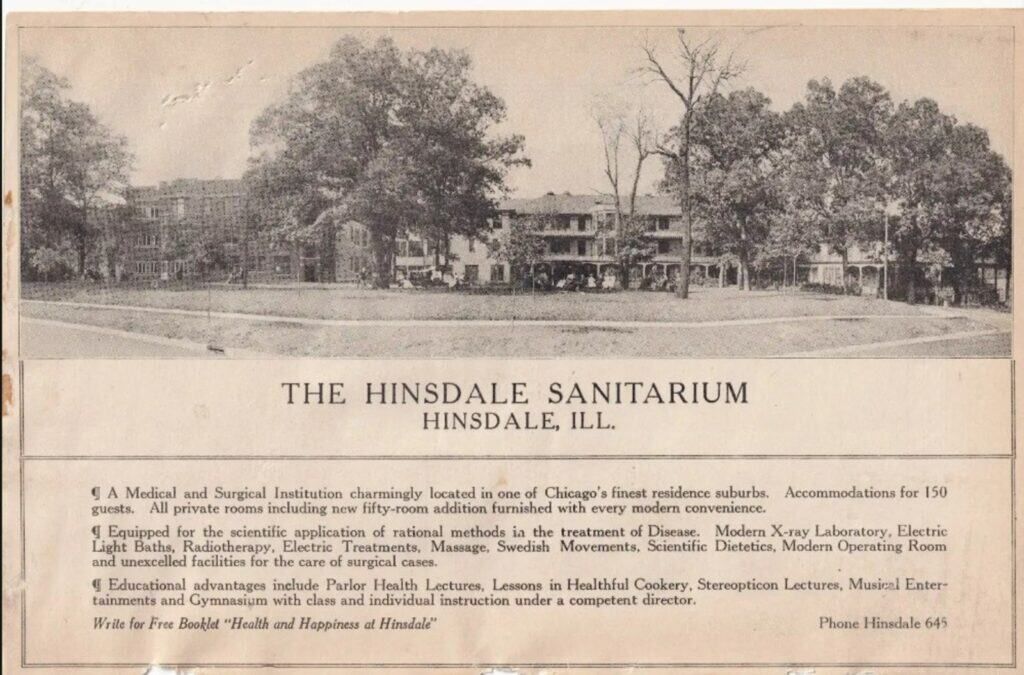
This approach—treating patients as whole people rather than isolated conditions—left a lasting impression. The Ketterings believed their own community deserved the same level of thoughtful, compassionate care. Their vision became clear: bring this model of whole-person healthcare home to Dayton.
Building the mission in Dayton
Motivated by what they saw at Hinsdale, the Ketterings partnered with the Seventh-day Adventist Church to bring that same model of whole-person, faith-based care to the Dayton region.
And in 1964, Kettering Memorial Hospital was founded.
The Ketterings knew that the care they experienced at Hinsdale was not accidental. It was the result of the intentional culture of care shaped by the Seventh-day Adventist tradition.


The Ketterings wanted to ensure that what they witnessed in the Chicago area would not merely be replicated in Dayton as a set of clinical standards but offered to the community as a complete model of healing—one grounded in compassion, dignity, and spiritual care.
Our system has grown in size and reach, but we continue to carry forward what the Ketterings insisted on from the beginning.
Growing the mission
As the hospital grew, so did its commitment to education and workforce development. In 1967, Kettering College opened adjacent to Kettering Memorial Hospital to prepare healthcare professionals grounded in clinical expertise and whole-person care.

Today, Kettering Health includes
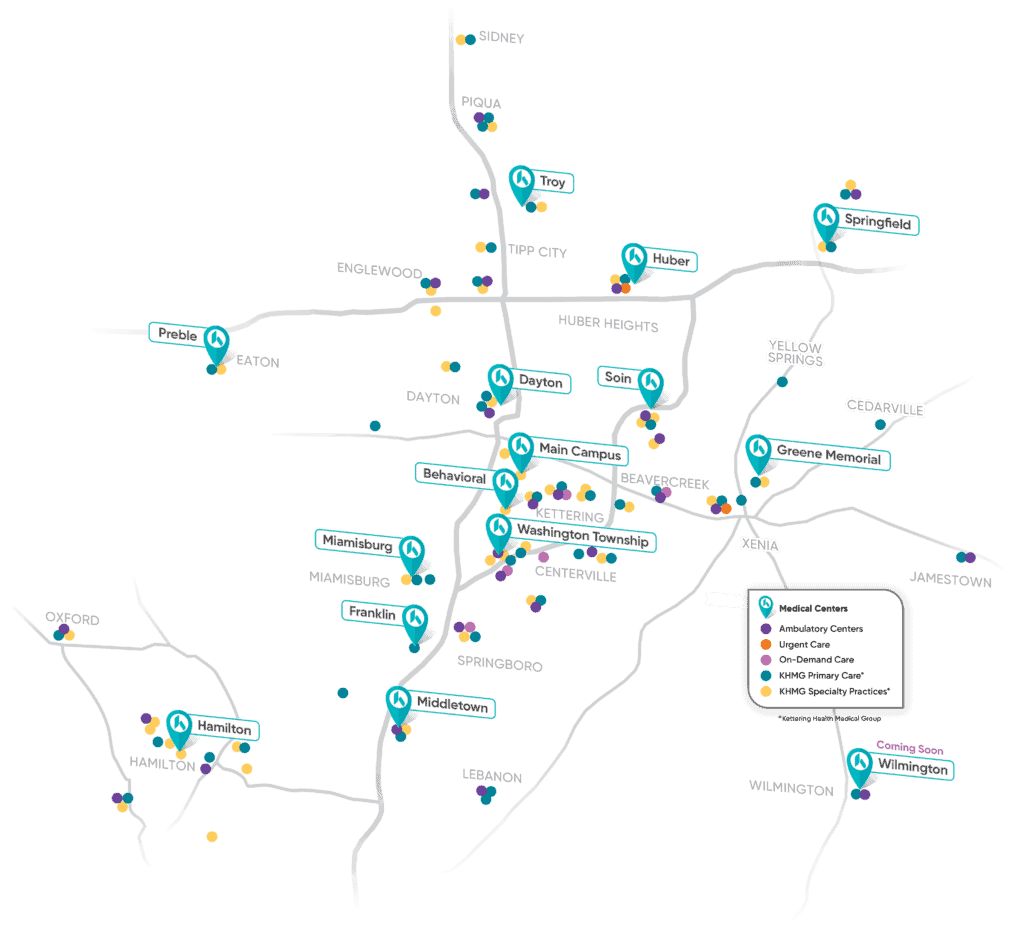
- 14 medical centers
- 120-plus outpatient locations
- Kettering College, a fully accredited health sciences institution
Through every stage of growth, our purpose has remained constant: to live God’s love by promoting and restoring health.

Our Seventh-day Adventist heritage today
Today, Adventist healthcare represents the largest Protestant healthcare network in the world.
And Kettering Health remains affiliated with the Seventh-day Adventist Church as part of the Columbia Union Conference of Seventh-day Adventists, which supports the mission and governance of Adventist institutions throughout the Mid-Atlantic region. Representatives from the Columbia Union serve on Kettering Health’s Membership Board and Board of Directors, helping steward the mission, values, and long-term direction of the system.
This partnership ensures our founding principles endure—not simply as doctrine, but as lived commitments to compassionate, high-quality care that fuel exceptional experiences for every patient and team member.
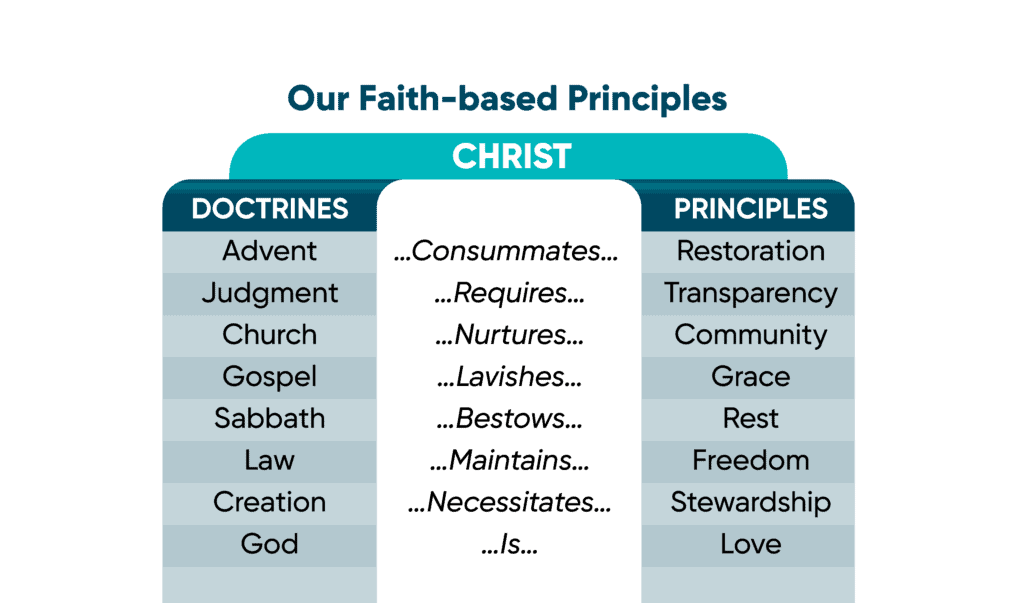
And those lived commitments are embodied by every team member at Kettering Health—regardless of background—as our faith-based principles: shared approaches to our work as care providers and those who support care. These shared principles emerge from our Seventh-day heritage and support an approach to care focused on the health and well-being of every team member and patient.
Moving Forward Together
Our story continues to guide us forward. Kettering Health remains committed to standing at the intersection of innovation, healthcare, and hospitality as we ask hard questions, build practical solutions, and welcome every neighbor with dignity and care.
As western Ohio grows and changes, so will we—grounded in our heritage, guided by purpose, and focused on helping every person achieve their best.