Breast Health
Want to learn more about this at Kettering Health?
Routine annual mammograms help to detect breast cancer early and save lives. Despite knowing this, you may have questions or fears about getting your mammogram.
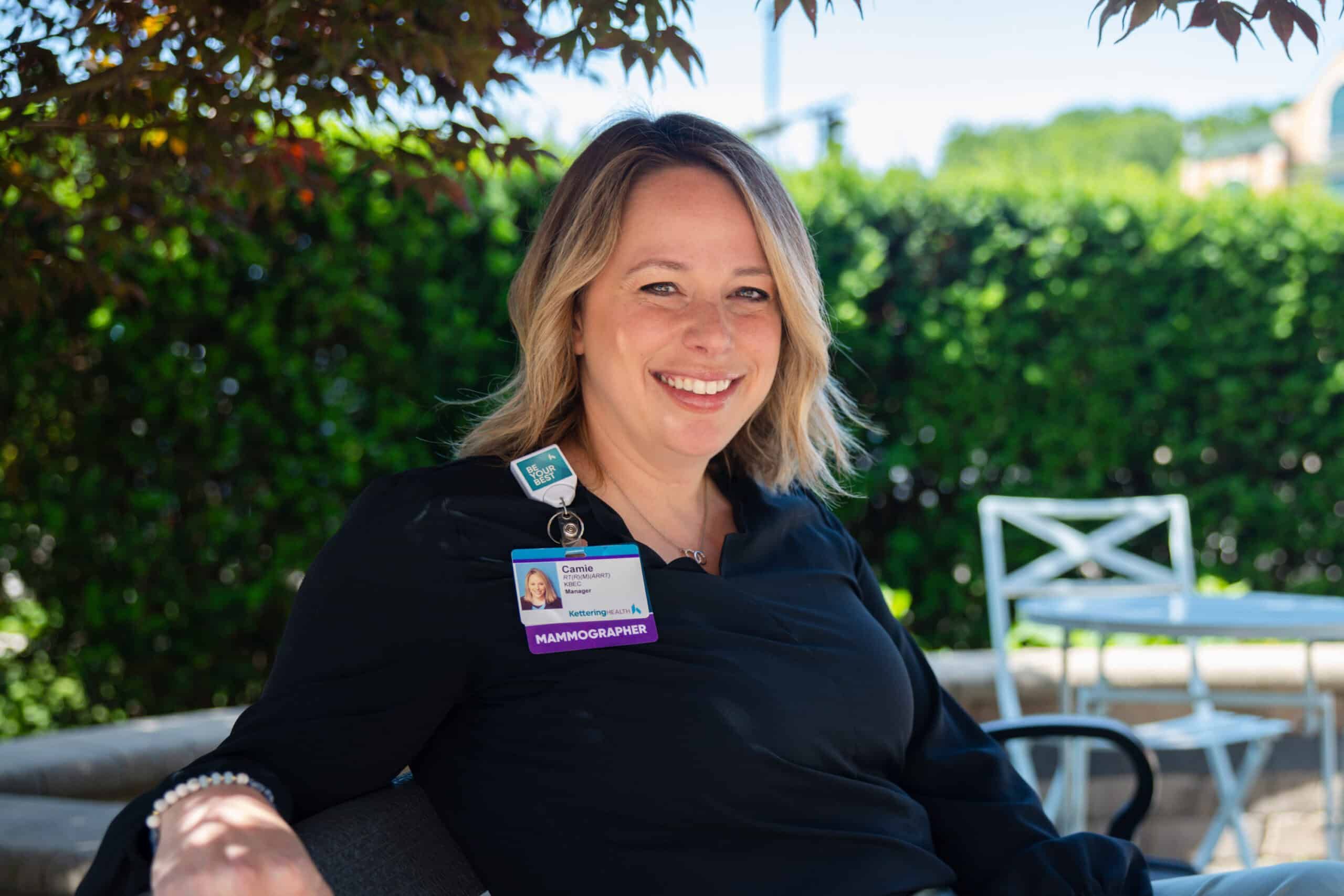
Kettering Health Breast Center Manager, Camie Herrst, answers frequently asked mammography questions and discusses common misconceptions.
I’m worried that a mammogram will be painful.
“Most women find that a mammogram is not as bad as the stories they hear. It can be uncomfortable, but each image only lasts a few seconds. If you experience pain during your mammogram, please let your technologist know. Sometimes, even just a small adjustment in positioning can make the exam more tolerable.”
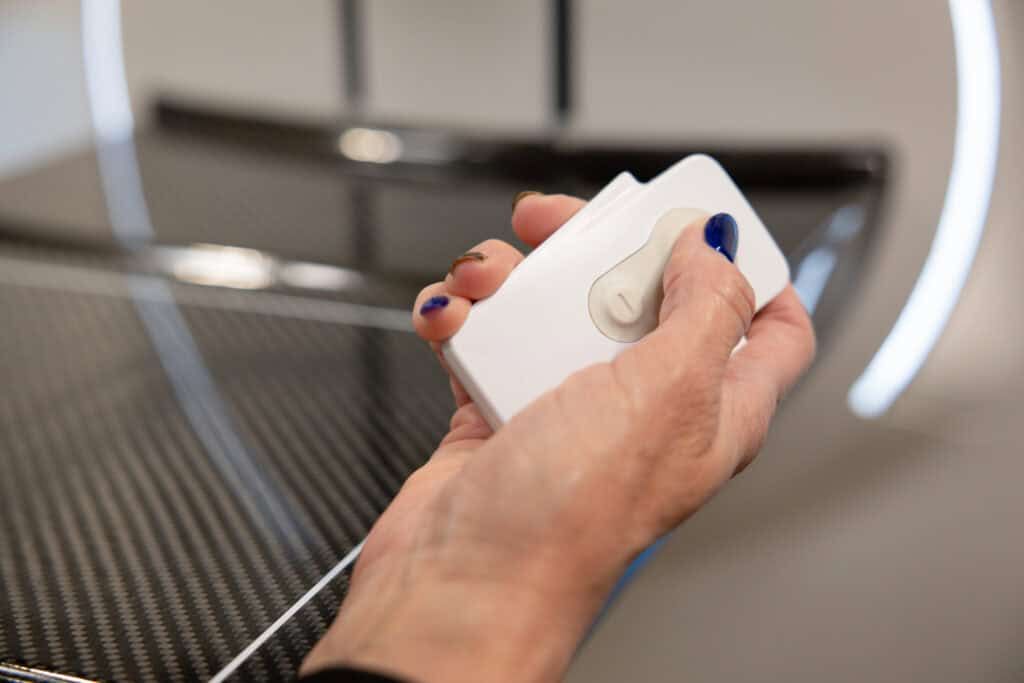
Kettering Health offers patient-assisted compression with Dueta devices, allowing patients to control the compression once the technologist reaches the “minimum allowable amount” of compression during the mammogram.
I’m scared the radiation dose in a mammogram will cause cancer.
“We understand how radiation can sound scary. However, we are all exposed to small amounts of natural background radiation every day from our environment.”
The amount of radiation during a mammogram is the same amount a woman naturally encounters in under two months of everyday life.
“The benefits of early detection far outweigh the very small radiation risk.”
Why can’t I get an ultrasound instead?
“Mammography remains the gold standard for breast cancer screening and is the only imaging modality proven to reduce deaths from breast cancer. Some early-stage cancers appear as tiny calcifications, which are often not visible on ultrasound.”
Many times, mammography and ultrasounds work together to determine if a biopsy is needed, as ultrasounds can help determine whether something in the breast is solid or fluid-filled.
I have dense breast tissue, so mammograms don’t see anything, anyway.
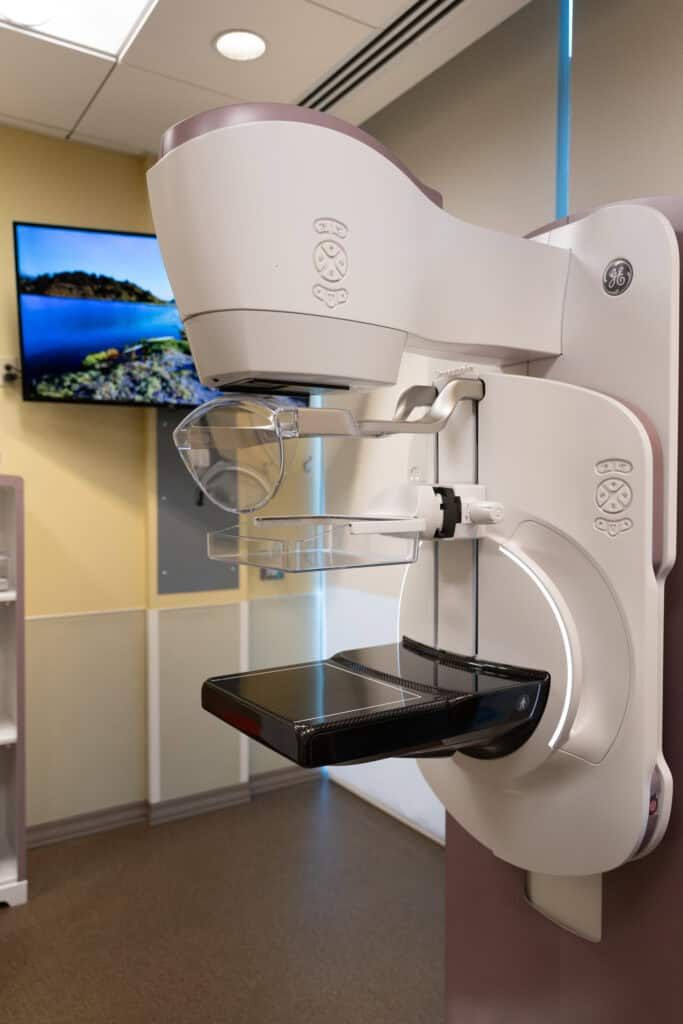
“While dense tissue can make mammograms more challenging, 3D mammography has significantly improved our ability to evaluate dense breasts. With 3D mammography, the radiologist can scroll through the breast layer by layer—almost like flipping through the pages of a book.”
Supplemental imaging, such as a breast MRI, contrast-enhanced mammogram, or ultrasound, may also be recommended in addition to a traditional mammogram.
Do I need an order from my primary care provider?
Patients at Kettering Health, 40 years old and older, can self-refer for screening mammograms, meaning they do not need a doctor’s order to schedule. Schedule through MyChart or by calling Central Scheduling at 937-299-0099.
“You must have a current physician listed to receive your results in the event that additional imaging or follow-up is needed. A screening mammogram appointment is only 15 minutes long, including going over your history.”
I don’t know what age to start getting mammograms.
Kettering Health follows the American College of Radiology (ACR) guidelines, which recommend that women begin screening mammograms every year at age 40.
“Our goal is to detect breast cancer as early as possible, when treatment is often less invasive, and outcomes are better. This is why we stand behind the ACR recommendations.”