Urology
Want to learn more about this at Kettering Health?
At a Glance
Q: How long should I hold my pee during a long drive or flight?
A: Most adults can safely hold their pee for about 3 to 5 hours, but it’s best not to wait that long. Holding it too often can irritate your bladder and increase your risk of infection.
- The average bladder holds 400–600 mL of urine.
- “Go” when you first feel the urge, especially on long trips.
- Learn travel tips to plan healthy bathroom breaks.
The holidays are coming up, and so is an uptick in travel. That means you might have to choose between using the bathroom now or holding your pee for another hour.
Whether you’re rushing between gates at the airport, wondering, Do I have enough time to use the bathroom? Or seeing the rest stop sign along the highway and thinking, I can hold it. We’ve all been there.
But is holding it good for you? How long should you hold your pee?
Dr. Jorge Arzola, a urologist, says you should only hold it for a few hours—and the reasons might surprise you.
How long should you hold your pee?
Dr. Arzola says holding urine for short periods of time is generally safe, “but the exact safe duration can vary depending on individual factors such as bladder capacity, hydration level, and underlying medical conditions.”
On average, a healthy adult bladder can hold approximately 400 to 600 milliliters (mL) of urine, which is roughly equivalent to one to two cans of soda. However, the urge to pee typically begins at 200 to 300 mL when the bladder is only halfway full.
But that doesn’t mean you should ignore the urge.
Dr. Arzola says regularly holding urine for too long can cause bladder spasms, discomfort, leakage, and even urinary tract infections (UTIs). He also warns that in extreme cases, chronic retention (not emptying your bladder completely) can weaken the bladder muscles over time and make emptying it difficult, sometimes requiring a catheter.
To help keep your bladder healthy, Dr. Arzola advises that the average adult should hold their pee for only three to five hours.
You can hold your pee for six to eight hours, but this should be done only in exceptional circumstances. “It can be uncomfortable and is not recommended regularly.”
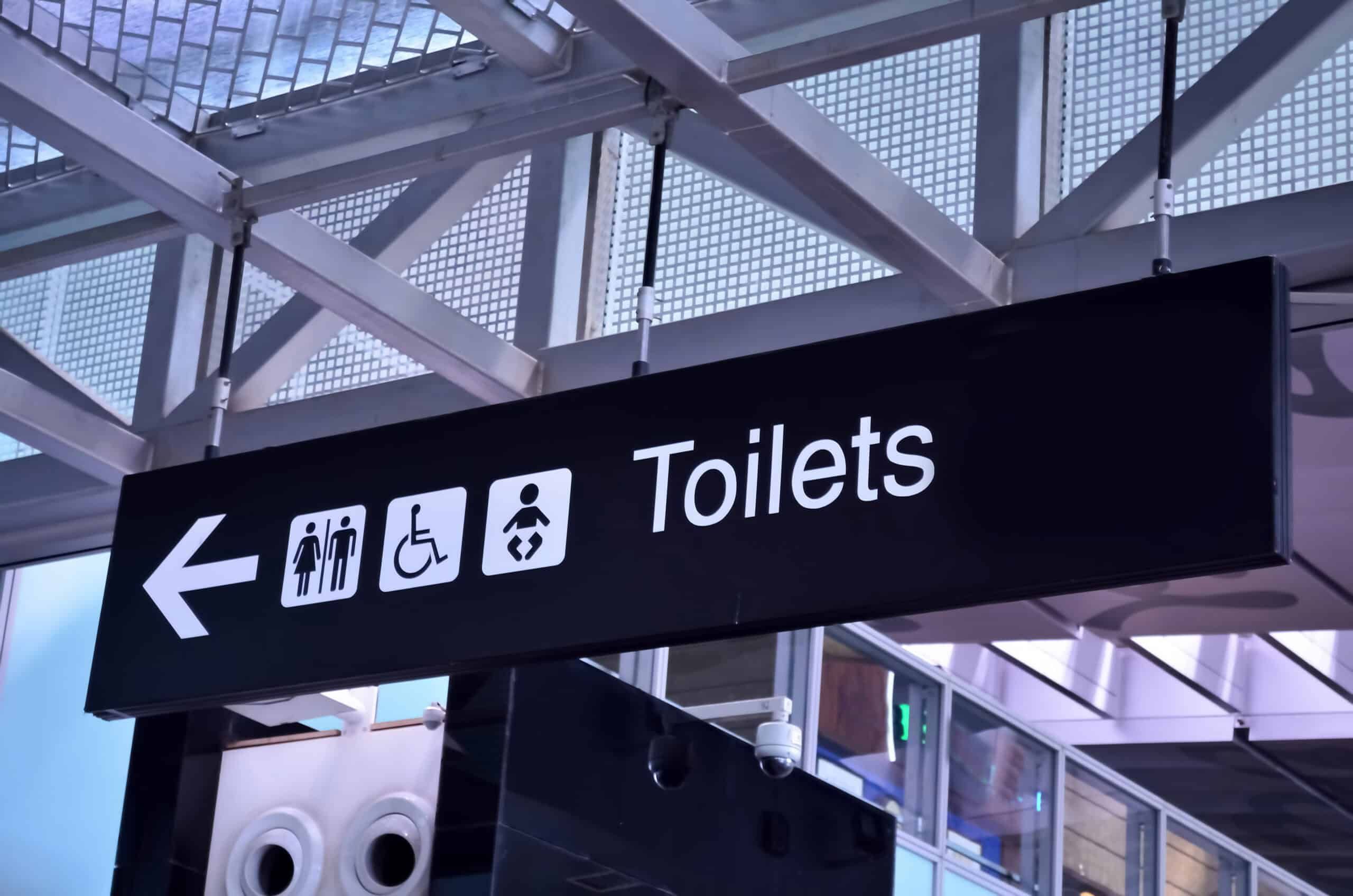
So, if you need to pee and see a rest stop—or an airport restroom—use it.
Tips for holiday travel
As you go about your travels this holiday season, Dr. Arzola recommends avoiding the excessive consumption of certain foods and drinks that can irritate your bladder, such as
- Acidic foods, like citrus, soda, and fresh meat
- Alcohol
- Caffeine
- Spicy foods
And although it might seem counterproductive, Dr. Arzola emphasizes the importance of staying hydrated with plain water. Hydration is key for bladder health, as water flushes out bacteria that can cause irritation and painful conditions such as UTIs and kidney stones.
Dr. Arzola also advises planning out your bathroom breaks this holiday season. This can help ensure you aren’t holding your urine for too long and that you don’t have any unexpected delays in your travels.
And remember, “Go when you first feel the urge—don’t make it a habit to ‘hold it’ frequently.”
When to see a doctor
If you feel like you constantly need to pee, even despite limiting your fluid intake, you might have overactive bladder syndrome (OAB). If you think you have OAB, speak with your doctor.
If you notice other symptoms, they may be a sign you have a more serious condition:
- Blood in urine or an unusual color or odor
- Fever, back pain, or other systemic symptoms
- Inability to fully empty your bladder
- Pain or burning during urination
- Sudden increase in urinary frequency or urgency
- Urinary leakage that affects daily life or sleep
Always talk with a healthcare provider if you’re experiencing new and unusual symptoms. And as Dr. Arzola encourages, take care of your urinary health now to prevent issues in the future.
Have questions about your urinary health? Speak with a urologist.
Learn morePeople Often Ask
Yes. Regularly holding your pee can irritate the bladder and may increase the risk of urinary tract infections. It can also cause discomfort or spasms over time. Go when you feel the urge, especially during long travel day
You’re likely hydrated if your urine is light yellow and you can pee without discomfort. Dark yellow urine or strong odor may mean you need more water. Staying hydrated helps protect your bladder and lowers the risk of infection.
Try to use the restroom every few hours, even if you don’t feel urgent pressure. Look ahead for rest stops, airport bathrooms, or layover opportunities. Planning helps prevent long periods of holding your pee.
Caffeine, alcohol, citrus, carbonated drinks, and spicy foods can irritate the bladder and increase urgency. Limiting these during long flights or drives can make it easier to stay comfortable.
See a doctor if you frequently feel urgent need to pee, have burning, blood in urine, fever, trouble emptying your bladder, or new leakage. These symptoms may signal infection or overactive bladder and should be checked.