



Heart and Vascular Care
Want to learn more about this at Kettering Health?
At a Glance
Q: How do cardiovascular conditions and pregnancy affect a woman’s heart?
A: Cardiovascular conditions and pregnancy increase blood volume and heart workload, raising complication risks. The article explains warning signs, high‑risk periods, and how specialized care improves safety.
- Postpartum period carries highest risk
- Pregnancy raises blood volume up to 50%
- Care teams help manage high‑risk pregnancies
A woman’s total blood volume increases by 20% to 50% during pregnancy, putting immense strain on the heart.
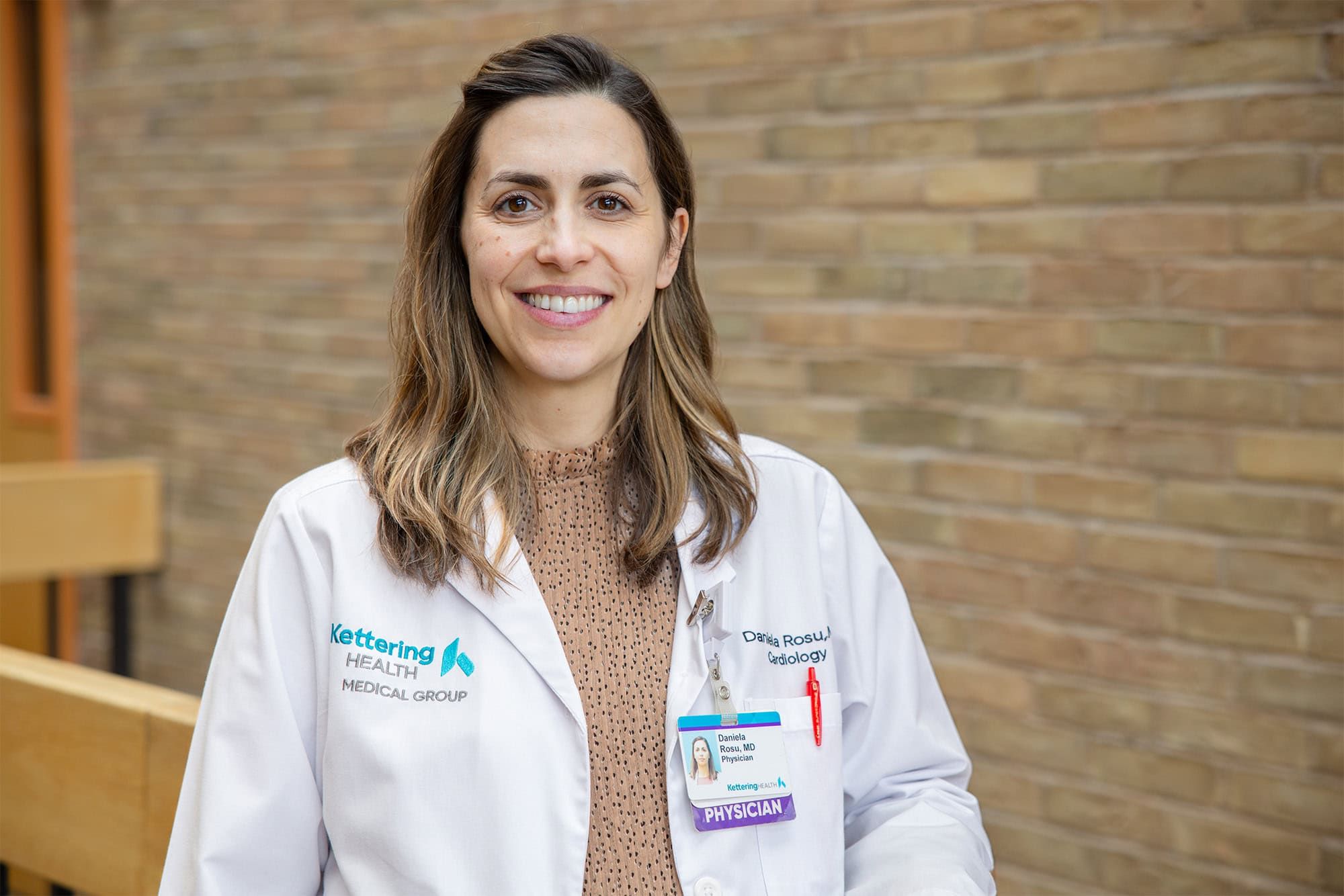
“It’s like being in a state of double work all the time,” says Dr. Daniela Rosu, a cardiologist.
The risk amplifies when a woman has a pre-existing heart condition or develops one during pregnancy. Dr. Rosu’s goal is to care for these women, explain their risks before pregnancy, and help them have safe deliveries.
How do cardiovascular conditions affect pregnancy?
Women with pre-existing cardiovascular disorders, like chronic hypertension, need special care throughout their pregnancy and postpartum period. They’re at higher risk for complications, especially in the days following labor.
“Postpartum is a critical period because all this fluid that accumulated during nine months is trying to level out in a matter of days, and that can be very problematic,” Dr. Rosu explains. “That’s when a lot of patients get significant hypertension and postpartum preeclampsia. That’s where most maternal mortality actually occurs.”
Sometimes, pregnancy can reveal an undiagnosed condition that already existed in the patient. Other times, women can develop cardiovascular conditions during pregnancy, like peripartum and postpartum cardiomyopathy. However, pregnancy itself can cause shortness of breath and swelling, symptoms often associated with heart problems, making it hard to diagnose women later in their pregnancy.
“A lot of times, these women are just told that this is just pregnancy,” Dr. Rosu says, “and heart failure can be unfortunately overlooked.”
Dr. Rosu encourages women to consult a cardiologist before becoming pregnant if they have a pre-existing cardiac condition. With modern medicine, women are having safer pregnancies and deliveries—even if they are labeled “high risk.”
Caring for women with high-risk pregnancies
Modern medicine has given us the surgeries and treatments needed to care for women with high-risk pregnancies. Knowledge about women’s health in general has also expanded.
“Fifty years ago,” Dr. Rosu explains, “women with congenital heart disease were not getting to childbearing age because they were just not able to live as long.”
After witnessing a mentor specializing her care to help women with high-risk pregnancies due to cardiovascular conditions, Dr. Rosu has made it her mission to do the same.
“I appreciated very much how much care and passion she had for pregnant women.”
Dr. Rosu’s Women’s Cardiovascular Care clinic focuses on pre-conception counseling for women with cardiovascular disease and cardiovascular care for women with high-risk pregnancies.
“I work very closely with the Maternal Fetal Medicine team, and we call each other pretty frequently,” she explains. “If I have a concern about a patient and think the plan of delivery should be a little different, then I call them directly. If they have a question that can be solved without a consultation, they call me.”
Dr. Rosu has the capacity to see women within a week of their referral, doing a full cardiac work-up and diving into any questions and concerns they may have about getting pregnant or their high-risk pregnancy and delivery.
Schedule an appointment with Dr. Rosu to assess your cardiac risk during pregnancy.
Schedule an appointmentPeople Often Ask
Conditions like chronic hypertension, congenital heart disease, and cardiomyopathy increase the chance of complications. These women often need close monitoring during pregnancy and after delivery.
After delivery, fluid shifts quickly back into circulation. This can trigger severe high blood pressure, heart failure, or postpartum preeclampsia—making the first days after birth especially critical.
Yes. Pregnancy can uncover undiagnosed heart problems or cause conditions like peripartum cardiomyopathy. Symptoms such as swelling or shortness of breath may be mistaken for normal pregnancy changes.
Before pregnancy is ideal, especially if you have a known heart condition or high blood pressure. Pre‑conception counseling helps plan safer pregnancies and deliveries.




