Heart and Vascular Care
Want to learn more about this at Kettering Health?
At a Glance
Q: How does renal denervation (RDN) treat uncontrolled hypertension?
A: It uses targeted energy to reduce kidney nerve activity, helping lower blood pressure when drugs aren’t enough. More on benefits and risks inside.
- High blood pressure raises heart and stroke risk.
- RDN is catheter-based and usually outpatient.
- Follow-up care and blood pressure tracking explained.
According to the Centers for Disease Control and Prevention, nearly half of all adults have hypertension, or high blood pressure, and only a fourth have it under control.
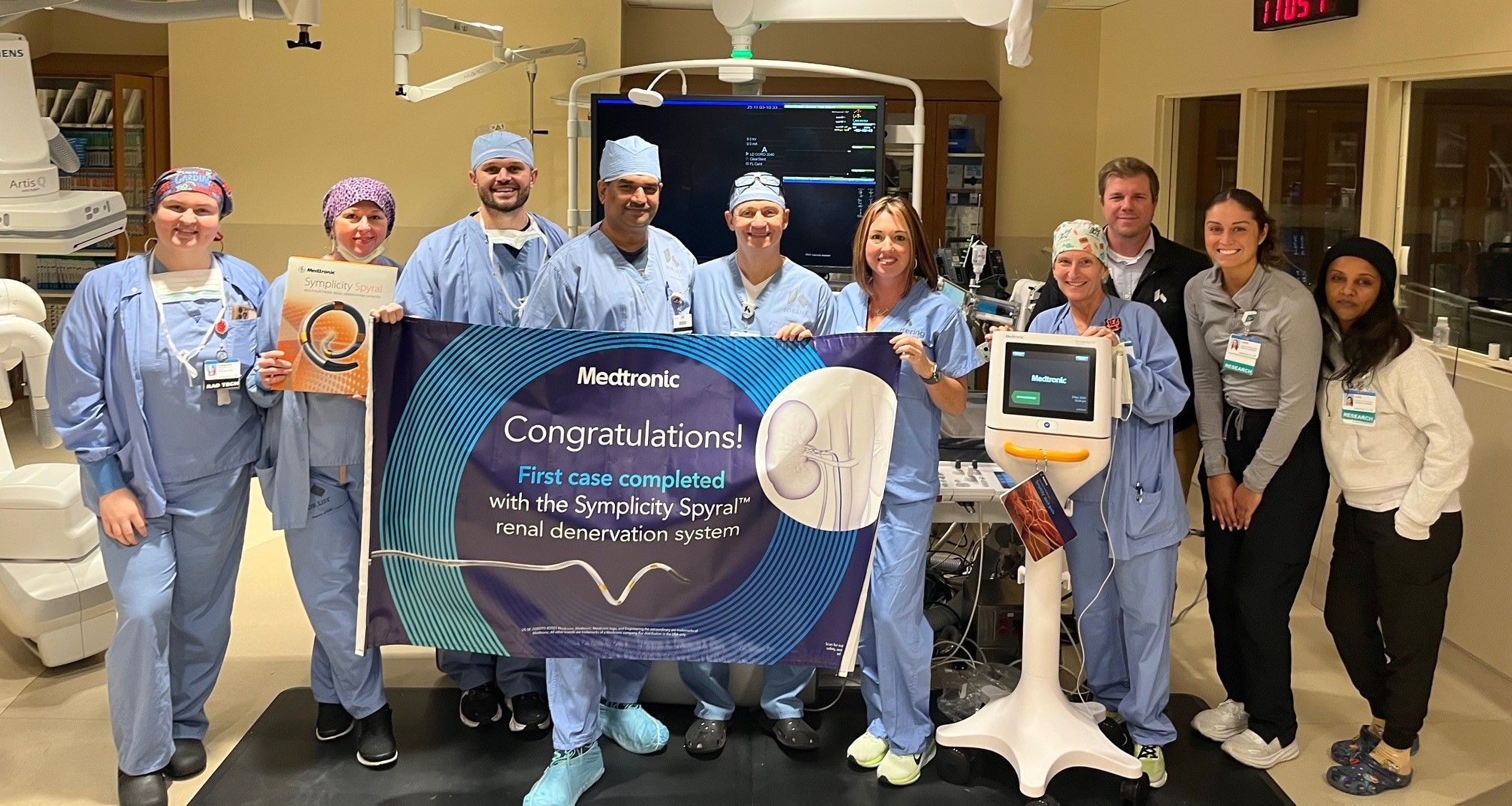
Kettering Health now offers renal denervation (RDN) as a treatment option for uncontrolled high blood pressure. Tara Powell, director of cardiac services, explains this treatment and what patients can expect.
“Patients with poorly controlled hypertension are at risk for heart attacks, strokes, and other organ damage because their blood pressure is so high,” Tara said. “And now they have an option.”
What is renal denervation?
RDN reduces blood pressure by removing renal nerves through a minimally invasive procedure. A catheter is inserted into the femoral artery through the groin or into the radial artery through the wrist, then into the renal arteries, which supply blood to the kidneys.
Small bursts of energy are used to ablate (slowly remove) the nerves surrounding the renal arteries, which disrupt the sympathetic nervous system. Individuals with high blood pressure have an overactive sympathetic nervous system, and slightly disrupting this signal can reduce blood pressure.
Traditionally, medication is used alongside lifestyle changes to treat high blood pressure. But for those who have tried several medications with no success or who have become unresponsive to medication, RDN is now an option.
What can patients expect?
Patients are instructed to arrive two hours before their procedure to get changed, prepped, and have labs done. From there, patients are given medication to help them relax, but no anesthesia is usually required.
The procedure usually takes less than one hour. After the groin area recovers, patients are typically free to return home on the same day as their procedure. It is recommended to limit activity for about a week while the insertion site fully heals.
After discharge, it is recommended that the patient keep a log of their daily blood pressures to discuss at follow-up appointments with their physician. If you’re struggling with hypertension and medications are not helping, talk to your primary care physician or cardiologist to determine if RDN is right for you.
People Often Ask
People with high blood pressure that stays high despite trying several medications may be candidates. Renal denervation is considered when lifestyle changes and drug therapy haven’t worked. Talk with your doctor to confirm if it fits your situation.
Most people go home the same day. Activity is usually limited for about a week while the insertion site heals. Patients can return to normal routines once discomfort at the groin or wrist improves.
No. Many patients still need medication, but renal denervation may help lower blood pressure when medicines alone aren’t enough. Your care team will decide whether to adjust medications after the procedure.
As with any catheter procedure, risks include bleeding, bruising, or vessel injury. Your doctor will review your health history to determine if RDN is safe and discuss possible complications specific to your condition.
Patients track their daily blood pressure and bring logs to follow‑up visits. Your doctor will monitor healing, adjust medications if needed, and check how well the treatment is working over time.