



Each year March is nationally observed as Women’s History Month. With origins dating back to 1981, it’s a time to recognize and encourage the study, observance, and celebration of the vital role of women in American history.
Community events
Throughout the month, events will take place in our community to celebrate women. Below are a few of those upcoming events and details on how to participate.
Thursday, March 9, 11:30 a.m.-1 p.m.
An annual event held by YWCA Dayton to celebrate influential women in the community. More information
March 24-April 1, 7-10 p.m.
Inspired by true events, this musical tells the story of the first women soldiers in the U.S. More information
Tuesday, March 28, 11 a.m.-12:30 p.m.
Hear from local female leaders in honor of Women’s History Month. More information
The Kettering Health women’s leadership employee resource group exists to cultivate female leadership development and empowerment. The group consists of nearly 600 female managers, directors, vice presidents, and physicians, and encourages mentoring, networking, and personal and professional development.
INSPIRE is relaunching this month–stay tuned for more information.
Employee highlights
In honor of Women’s History Month, we’re shining a spotlight on two employees: Stacy Heck and Sheila Seyfang.
Meet Stacy Heck

Stacy Heck is a nuclear medicine/PET technologist at Kettering Health Main Campus. We asked her a few questions about her life, her career, and working at Kettering Health. Read her answers below.
Tell us about yourself and your role at Kettering Health.
I was born and raised in Wisconsin. I moved to Beavercreek, Ohio after I finished clinicals for my Bachelor of Science in Nuclear Medicine Technology at the University of Wisconsin – La Crosse.
Prior to working for Kettering Health, I worked for multiple different hospital systems. None of these other systems felt like the right fit. As a patient, I always went to Kettering Health for my care. I always felt comfortable and well taken care of. Being a healthcare worker, you look to work at places that you want receive care yourself. In 2019, I landed at Kettering Health Dayton and finally started to feel like I had found a home. In 2021, I transferred to Kettering Health Main Campus to utilize my skills and knowledge in our PET/CT department.
The care we provide to patients is top notch due to the great team that has been assembled. Additionally, executives listen to their staff and provide the resources needed to achieve the best for our patients and our community. At Kettering Health, I feel like part of a family.
What inspires you in your job?
The people that I work with day in and day out. The staff in the Nuclear Medicine/PET department are always striving to do better and be better, which pushes me to be better. Every person wants to achieve the best results for each patient that comes through our doors.
What’s the most important lesson you’ve learned in your career?
The most important lesson I have learned throughout my career is to keep moving forward and learn. The medical world, especially molecular imaging, changes on a day-to-day basis. You have to continue to look forward and continue to learn new skills and new techniques to give your patients the best, most up-to-date, quality care that can be given. We are able to perform certain types of imaging that can be used in place of invasive procedures, saving the patient a lot of pain and increased infection risk, which is something that wasn’t necessarily possible 10 years ago.
Meet Sheila Seyfang
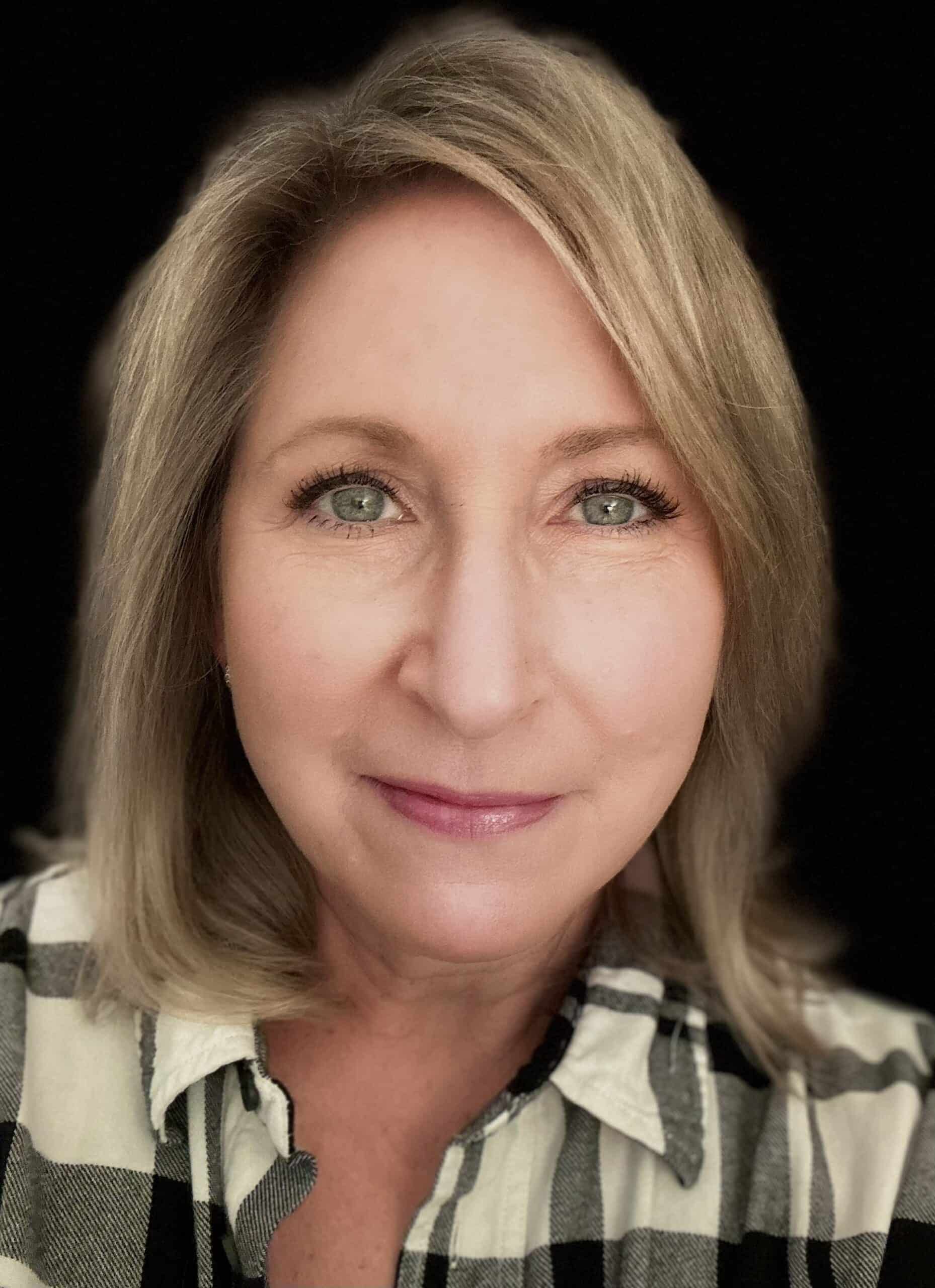
Sheila Seyfang is a team lead and certified hand therapist at Kettering Health Washington Township. We asked her a few questions about her life, her career, and working at Kettering Health. Read her answers below.
Tell us about yourself and your role at Kettering Health.
I am a lifelong Daytonian, born and raised in northwest Dayton. I became an occupational therapist in 1990 after studying at Eastern Michigan University. In 2008, after various occupational therapy jobs and raising four kids, I joined Kettering Health Washington Township Outpatient Therapy. I was privileged to join a team of excellent, collaborative therapists who helped me grow into my role as a hand therapist. I became team lead of the Outpatient Therapy department one year ago.
After several years working at Kettering Health, I earned a certification in hand therapy. I became a clinical specialist in an outpatient clinic that provides hand therapy to patients referred by hand and orthopedic surgeons who expect a high level of skill and knowledge about the specialized surgeries they perform.
After joining Kettering Health, I was pleasantly surprised to find that the strength of the hand therapy team came from the consistent teamwork, collaboration, and knowledge-sharing provided by the group of occupational therapists at Yankee. Because of this willingness to share and work together, I have high satisfaction and joy on the job that I haven’t experienced in any prior employment.
What inspires you in your job?
Helping people who are experiencing fear or stress from a hand injury to become hopeful and supported in returning to having good, functional use of their hand. It’s very rewarding to witness the change that people experience as their pain eases and use of their hand returns, allowing them to hold their child, feed themselves, complete their own hair care, or return to their job.
What’s the most important lesson you’ve learned over your career?
The most important thing I’ve learned is to listen and show kindness. People want to be heard, understood, and treated with respect, especially when they are stressed, fearful, and in pain.
What advice would you give to other women regarding their career?
Sometimes it takes a change in job or career to find what fits you. Don’t be afraid of the change it might require to find a job or role you enjoy and allows you to thrive. It’s easy to be good at what you do when you love doing it.
Resources
Understanding our history is vital to improving equality for future generations. We’re sharing resources and a cultural highlight in honor of Women’s History Month. Check out details below to learn more about the contributions women have made throughout history.
Hidden Figures (book)
This nonfiction book tells the story of three African American women mathematicians who worked at NASA in the 1960s and whose calculations enabled achievements in space exploration. In 2016, a film based on the book was released.
What’sHerName (podcast)
This podcast shines a light on the stories of influential women throughout history that you likely have never heard of.
A Black Women’s History of the United States (book)
This nonfiction account gives a voice to African American women in the U.S., demonstrating their importance then and now.
The Radium Girls (book)
This nonfiction book details the story of women who were exposed to radium in the early 20th century and fought for workers’ rights, impacting today’s labor laws.
Becoming (book)
In this memoir by former First Lady Michelle Obama, she reflects on her life–from childhood to her time in law school to being the first African American to be First Lady.
Cultural highlight: Art and women’s suffrage
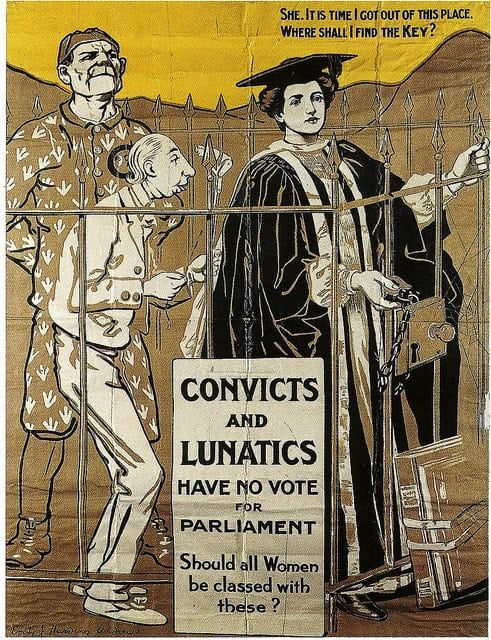
The women’s rights movement began in 1848 and relied heavily on word-of-mouth until the beginning of the 20th century. In 1907, the Artists’ Suffrage League was formed and gave visual dimension to the Votes for Women campaign in the form of banners, posters, postcards, and newspaper cartoons. Below is one example of the visual propaganda that fueled the campaign.
Cultural highlight: Kettering Health cafeteria menu offerings
To recognize Women’s History Month, the Kettering Health cafeterias will offer women-inspired menu options on various days throughout the week of March 6.
Turkey lasagna with spinach
This dish is inspired by Cristeta Comerford, the first woman to serve as White House executive chef and the first minority, a Filipino-American, to hold the position. Born in Manila, Philippines, Comerford was appointed to the position by former First Lady Laura Bush in 2005.
Whole wheat pasta with tomato vinaigrette, Swiss chard gratin – Hot deck: spicy cauliflower soup
Alice Waters is an American restaurateur, chef, and food activist who is a leading proponent of the “slow food” movement, a focus on consuming locally grown, nutritious food. In 1971 Waters opened Chez Panisse, a restaurant famous for its role in creating the farm-to-table movement and for pioneering California cuisine.
Waters was involved in the Garden Project, which provided fresh produce to the San Francisco County Jail and work opportunities to its former inmates. She also founded both the Chez Panisse Foundation, and the Edible Schoolyard, an initiative to plant a garden in schoolyards.
The impact women have made throughout history can be seen in nearly every facet of life. Below is one woman who greatly influenced the healthcare industry as we know it today.
Historical figure: Dr. Jane Cooke Wright
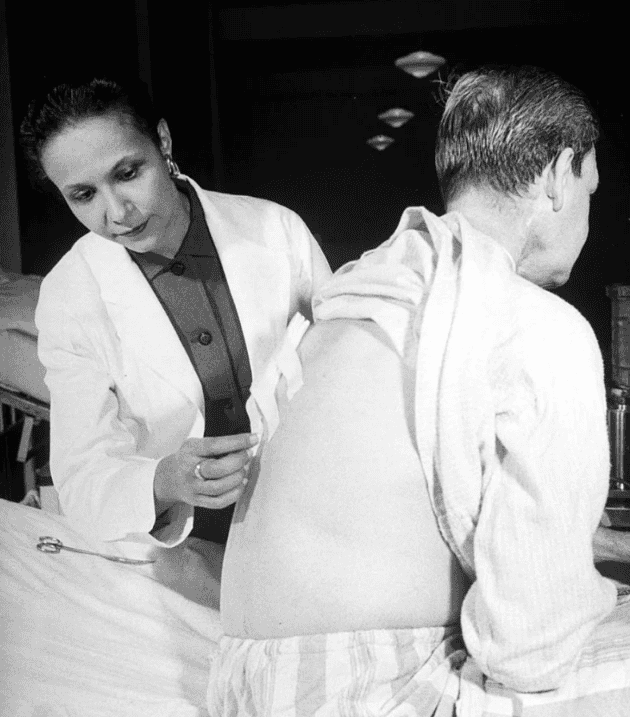
Jane Cooke Wright is recognized by the cancer research community as the “Mother of Chemotherapy.” She was a surgeon and cancer researcher known for being among the team who discovered chemotherapy. She was the only woman among seven physicians who founded the American Society of Clinical Oncology in 1964. While serving as associate dean and head of the Cancer Chemotherapy Department at New York Medical College, she was the highest ranked African American woman physician. In 1971, she became the first woman to be elected president of the New York Cancer Society. Source: TIME
Healthcare tip
According to the American Cancer Society, breast cancer is the most common cancer in women in the U.S., excluding skin cancers. It accounts for about 30% (or 1 in 3) of all new female cancers each year.
This month, prioritize your own health and well-being so you can be your best for those around you. The American College of Radiology (ACR) and Society of Breast Imaging (SBI) recommend women begin getting annual mammograms at age 40.
Thank you for taking time to celebrate women’s history with us. We hope that you’ve enjoyed the materials shared!