When it comes to gardening and growth, the metaphors practically write themselves. Creating an actual therapeutic garden is far more challenging.
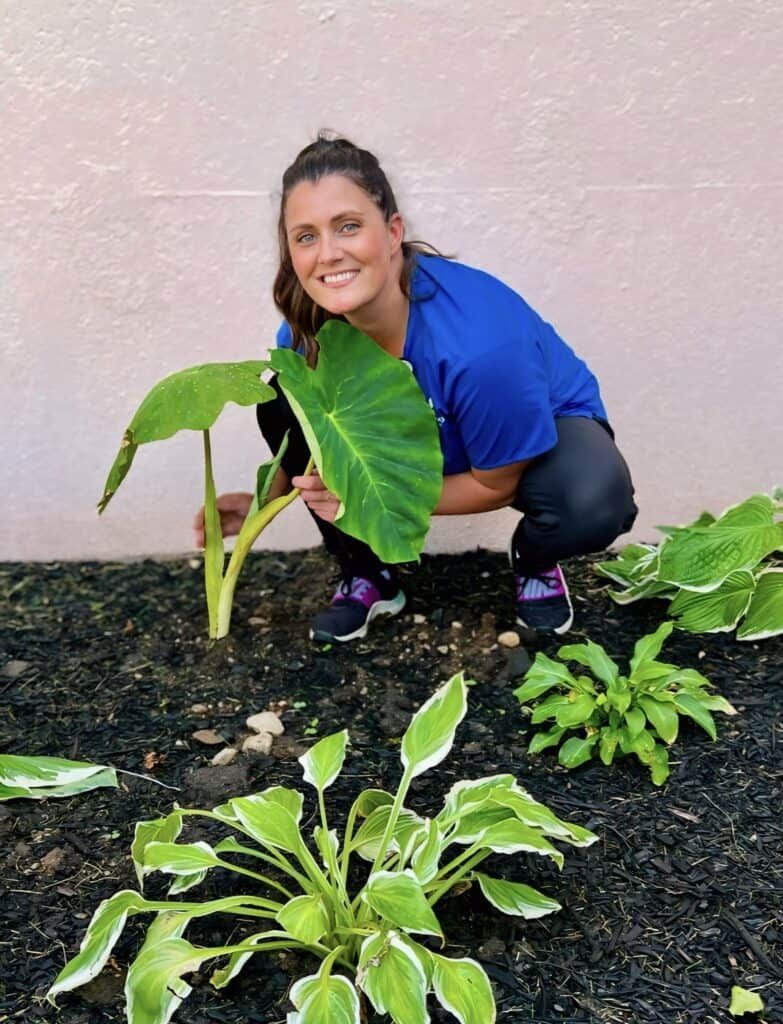
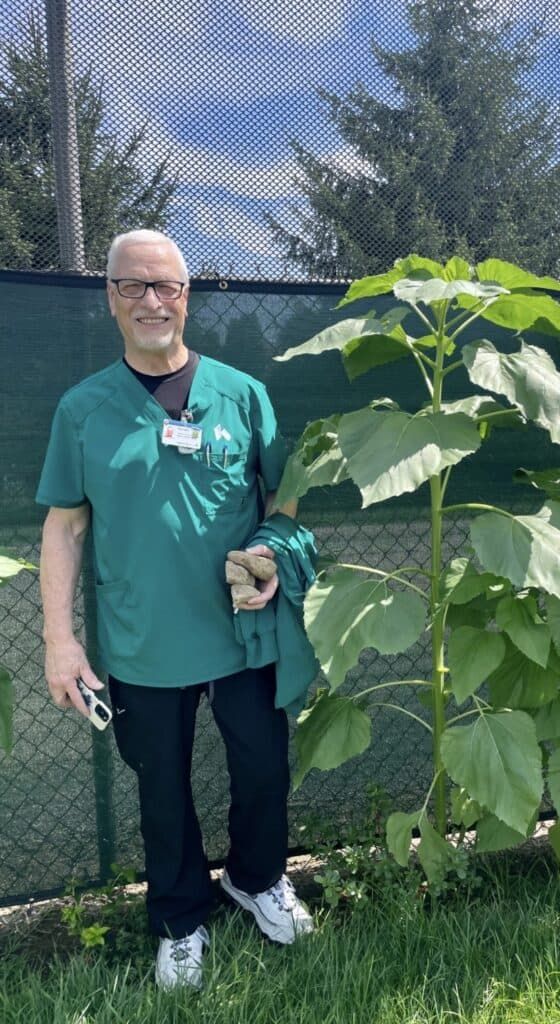
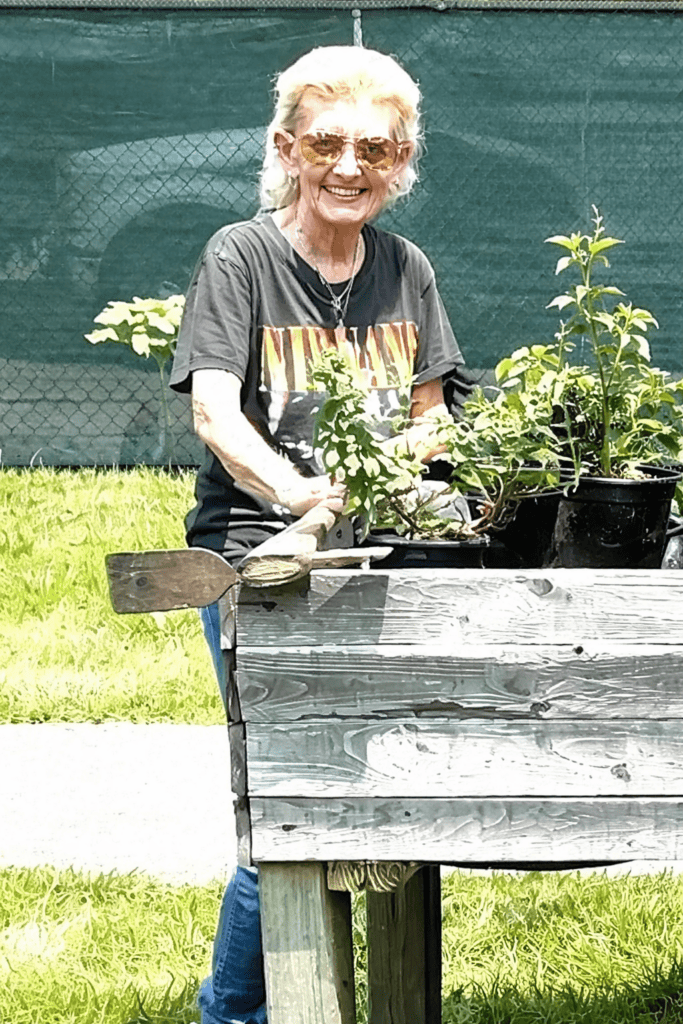
Motivated to boost the behavioral health experience of her patients, Amy Cunningham, a nursing professional development specialist at the Kettering Health Behavioral Medical Center (KHBMC), with the help of her colleagues, Paula Rankin and Don Evans, envisioned and created a therapeutic garden at the Moraine location.
“It was just this big grassy area that wasn’t being used,” said Cunningham, who’s been with Kettering Health for 10 years. “So, in 2024, I came up with the idea because I really wanted to use the space. I wanted it to be more of a donation-based garden. I wanted it to be therapeutic for patients, and, honestly, for me too, because gardening is very therapeutic.”
Before diving into the soil, Cunningham developed goals to guide the project. The garden was designed to be patient‑focused and therapeutic, donation‑based and community‑driven, self‑maintained, and psychiatric‑safe.
In spring 2024, she launched a donation‑based campaign to create the garden, inviting staff and community members to contribute plants, supplies, and limited financial support. Donations poured in from Kettering Health team members and the surrounding community. Most of the donated plants came from people’s homes. Cunningham also purchased plants from local garden center clearance sales to fill out the space.
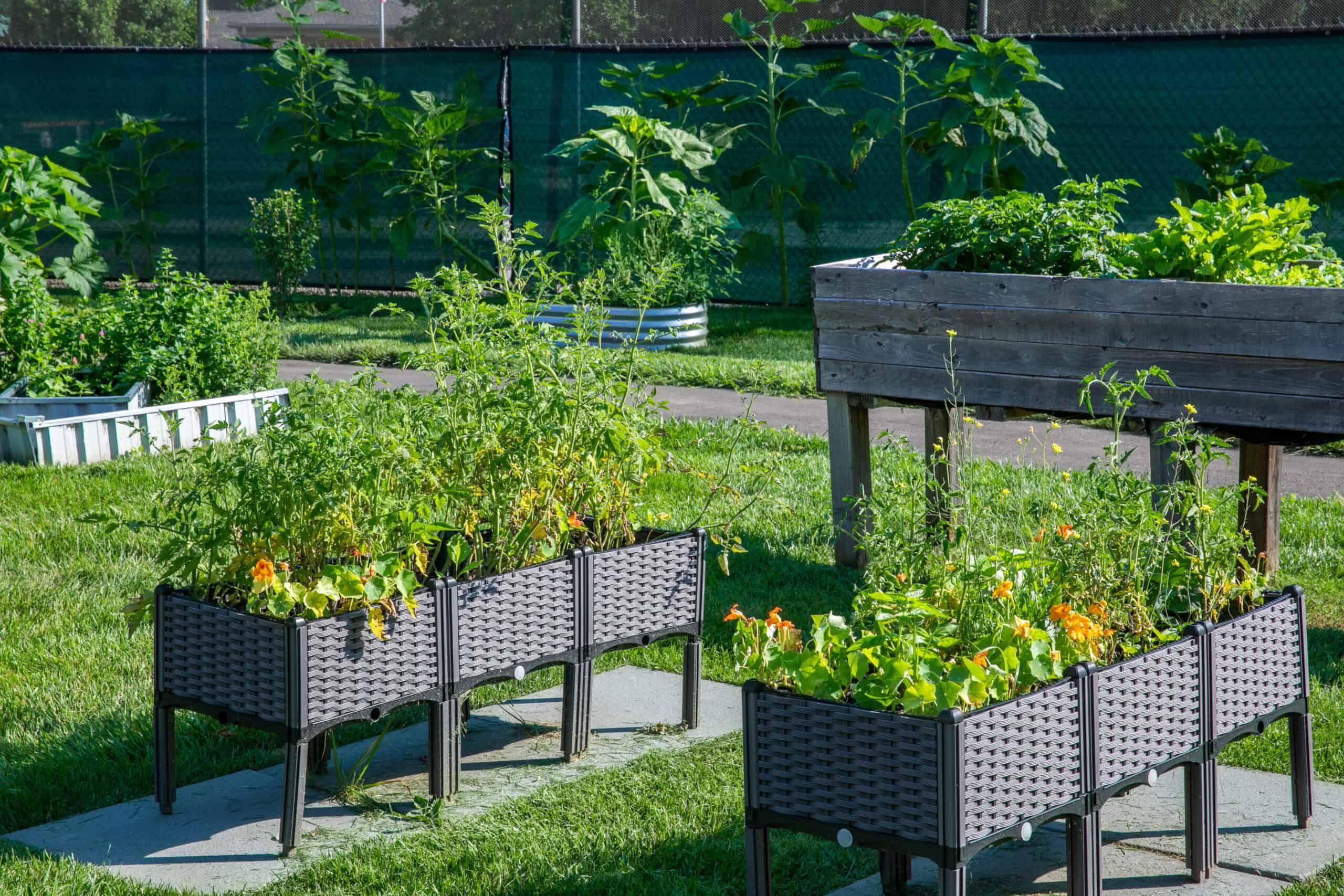
By the first full growing season, the garden included flowers, food‑producing plants, and trees and was fully integrated into patient programming, offering group activities, sensory engagement, and optional hands‑on involvement. Bird feeders and sensory plantings extended the experience to patients unable to go outdoors. As the garden grew, Plant Services expanded accessibility with a paved walking path.
“It was always, from the very beginning, about having patients out there,” Cunningham said. “This was never about making it fancy. I wanted it to be donated, personal, something people felt connected to.”
Bringing the garden to fruition has been an educational experience.
“I can’t tell you how much I learned about plants during this, what’s safe, what’s not, because I need to know exactly what’s out there,” Cunningham said. “Everything that’s back there is very intentional. There’s nothing poisonous, nothing with thorns. Working in psych, everything has to be safeguarded.”
With safety as a foundational priority, Cunningham, with the help of Rankin and Evans, was able to move forward in supporting KHBMC patients in meaningful ways with the therapeutic garden. She found it offered a calming break from the clinical setting, and small, optional tasks gave patients a sense of control and accomplishment. Sensory plantings and bird feeders helped those who can’t go outside connect with the garden.
“If there’s a group outside, I’ll ask patients if they want to help, and they almost always do,” Cunningham said. “A lot of our patients are coming in on the worst day of their life, and I really think the activities we offer, including the garden, play a big role in flipping that experience around.”
Looking forward, Cunningham has lots of ideas for the garden. She’s thinking about a salsa garden, working with patients to grow the produce and prepare the salsa. A tea garden, featuring chamomile, mint or lemon balm, is another possibility.
“It’s something that keeps evolving, and every year there’s a new idea,” Cunningham said. “It’s far more than I ever anticipated. I honestly expected it to be mostly grass with some flowers along the walls. Now there’s a path, picnic tables, and all these different areas.”
Any employees interested in donating to the therapeutic garden, may reach out to amy.Cunningham@ketteringhealth.org or find KHBMC-Garden on Venmo.