





Working on the frontlines in healthcare is extremely important and impactful. But it is not always easy. The trauma and stress that can occur at work, and even in our personal lives, should not be overlooked.
As a faith-based organization, spiritual services are integral to our care. Our chaplains are here for you as a Kettering Health employee 24 hours a day, seven days a week.
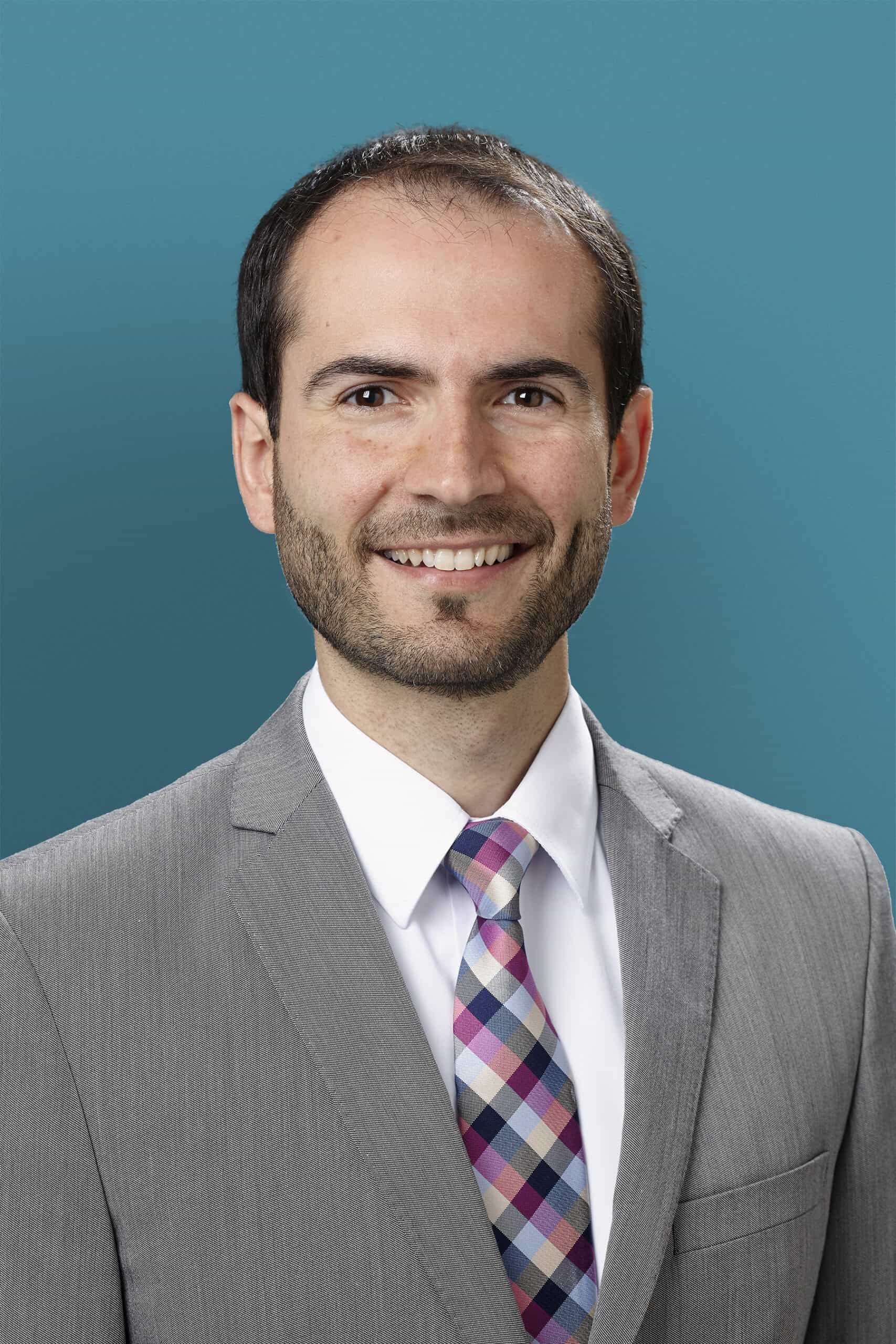
Nestor Bruno, director of Mission and Spiritual Services, shared the insights below to help ensure all employees understand the role of our chaplains and the support they’re equipped to provide.
Chaplain training and areas of support
Many people may not realize that chaplains have a bachelor’s and master’s degree. In addition, they have two years of clinical pastoral training that includes hands-on experience practicing behavioral and psychological skills in tandem with pastoral care. All in all, it takes approximately eight years of education and training to be a fully certified chaplain.
Our chaplains’ support spans four key areas:
- Our staff
- Our patients and their families
- Our community
- Our leadership and culture—ensuring our system is operating in line with our values, identity, and mission
Nestor explained that, oftentimes, people assume chaplains’ priority would be patients. Instead, their focus is on the team members extending our mission each day.
Common situations to seek chaplain support
Chaplains are trained to provide confidential support in a variety of situations, including
- The grieving process, which could mean losing a loved one, losing something precious to you like your health, or even changes in your life (getting married, becoming a parent), etc.
- A spiritual crisis, which can be religious-related, or an overall lack of purpose and meaning at work or personally.
- Conflict resolution with supervisors, colleagues, or loved ones.
- Crisis intervention and stress management in which chaplains debrief with individuals or groups following a traumatic event.
Additionally, chaplains are always available to pray for our staff. “Sometimes we stop someone and say ‘How are you? Can I pray for you?’” said Nestor. “As simple as it is, that’s something our staff members really appreciate.”
Chaplains also connect with employees for important religious dates throughout the year like Ramadan, Easter, and National Day of Prayer.
“We support staff emotionally and spiritually,” said Nestor. “We believe they go hand-in-hand—when you’re going through an emotional crisis, you are probably questioning your spirituality, religiosity, connection with God, and vice versa.”

Rebecca Crase, a health unit coordinator and nursing assistant at Kettering Health Hamilton experienced this support firsthand from Chaplain Carlos Gill when her husband was in the intensive care unit (ICU) at KH Hamilton, and eventually passed away.
“Chaplain Carlos holds a special spot in my heart,” said Rebecca. “August 10, 2023, God sent Chaplain Carlos into the ICU room to minister to me and I will never forget that. And since then, Chaplain Carlos has been such a support during my grieving. I am so thankful for him.”
Ways to contact a chaplain for support
- Approach them in person
- Page them from any nurses’ station. There is a chaplain on call 24/7.
While our chaplain’s capacity means they focus on our staff in acute care/inpatient facilities, other employees are still welcome to contact them by phone or email. See the contact information for all campus chaplains here.
“We are always available to anyone who would like to talk about meaning, purpose, and values,” said Nestor.