




In 2022, Kettering Health had many accomplishments in improving patient safety, including achieving the serious reportable event (SRE) goal of a 20% reduction. While we had success last year, we must continue fostering a culture of safety.
Key projects and goals for 2023
A Serious Reportable Event (SRE) is when a patient experiences death or serious harm due to an error or deviation from standard care practice. With the Kettering Health Zero Harm initiative, we are committed to reducing patient harm.
2023 SRE goal
| 2022 Baseline | 0.41/1000 patient days |
| 2023 Threshold | 0.37/1000 patient days |
| 2023 Target | 0.33/1000 patient days |
| 2023 Stretch | 0.31/1000 patient days |
Below is a list of key projects for 2023.
- Increase SAFE event reporting and Great Catch submissions
- Reporting safety events and Great Catches is key to improving our culture of safety. We are committed to Just Culture and reported events are considered non-punitive with the focus on learning and improving our systems and processes.
- Improve the SAFE (Midas) system
- We heard you. We know that entering a SAFE event in Midas can be time-consuming and cumbersome. To increase SAFE event submissions, we need to make it more efficient.
- A core group of leaders is working closely with SAFE (Midas) to make the system more user-friendly. The work is underway, and the goal is to have it completed in 2023.
- Share RCA learnings with frontline staff and ensure RCA action plans are implemented, sustained, and spread across the system to prevent SRE reoccurrence.
- Reinforce Kettering Health’s safety behaviors
- Pay Attention to Detail
- Communicate Clearly
- Have a Questioning Attitude
- Operate as a Team
- Speak up for Safety
Great Catch link added to intranet
A Great Catch is when someone proactively prevents harm from reaching the patient. Kettering Health shares Great Catches to learn about potential safety issues and make changes to the systems and processes before harm reaches the patient.
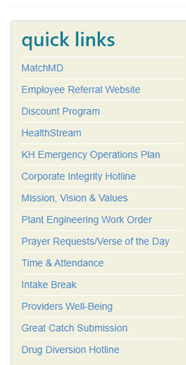
Great Catches are celebrated each day at the campus Daily Safety Briefing. To make it easier to submit a Great Catch, we have a link on the intranet homepage under quick links. Once the Great Catch is submitted using the link, notification is sent to the respective campus’ Quality and Safety team.
Medication safety: Let’s talk about amiodarone
Amiodarone is a drug that has been around since the 1960s. (That’s older than the first apple computer!) Despite its age, amiodarone continues to be one of the go-to drugs for treating certain cardiac arrhythmias. In 2020, almost 60 years after it was created, it was in the top 200 most prescribed drugs.
However, amiodarone presents some unique challenges when it comes to administering it correctly. When administering it to our patients, please keep the following in mind:
- There are both oral and IV formulations
- Doses are NOT the same for oral and IV
- Both formulations have several drug-drug interactions, especially with other medications that effect QTc interval
- The IV formulation specifically is incompatible with several medications at Y-site. When administering amiodarone through an IV, check the compatibility with other medications being administered. If you are unsure, call your pharmacist to check.
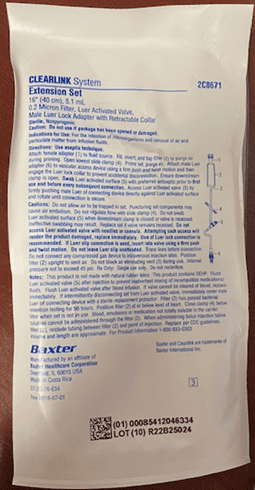
- You must use an in-line filter with IV amiodarone and be on the lookout for any unexpected precipitation or color change due to the incompatibility with many medications.
An example of an in-line filter:
An example of the MAR:
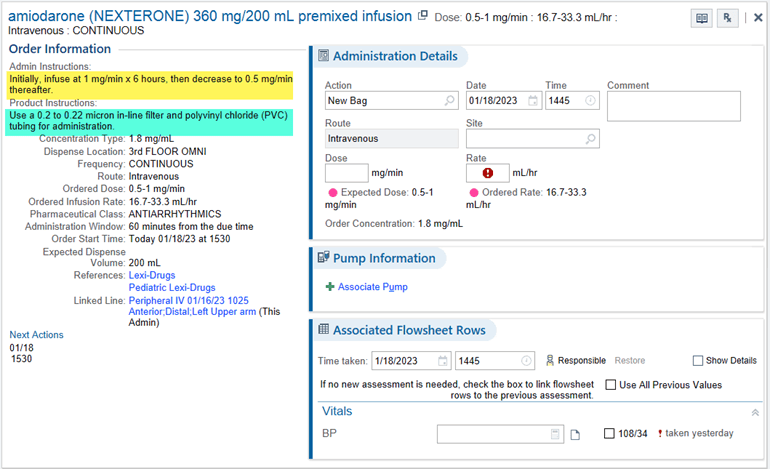
When administering amiodarone IV, the infusion is normally given as 1mg/min for 6 hours, followed by 0.5mg/min after that. It is also important to note that Epic will not change this rate for you, and this must be done manually. Often this comes at the end of the first bag. To prevent adverse effects, it is also important to remember NOT to push this medication except during an emergency or code blue.
Amiodarone has been around for a while, and these are just a few of the challenges we’ve identified. With that in mind, we hope these reminders will help us continue to use this medication safely for years to come.
Amiodarone administration checklist
☐ Compatibility has been checked with any medications that will be run together at Y-site
☐ An in-line filter is used
☐ The dose typically must be changed:
☐ The initial dose is run as a piggyback over 6 hours at a rate of 1mg/min
☐ After the initial infusion, the rate is changed to 0.5mg/min