



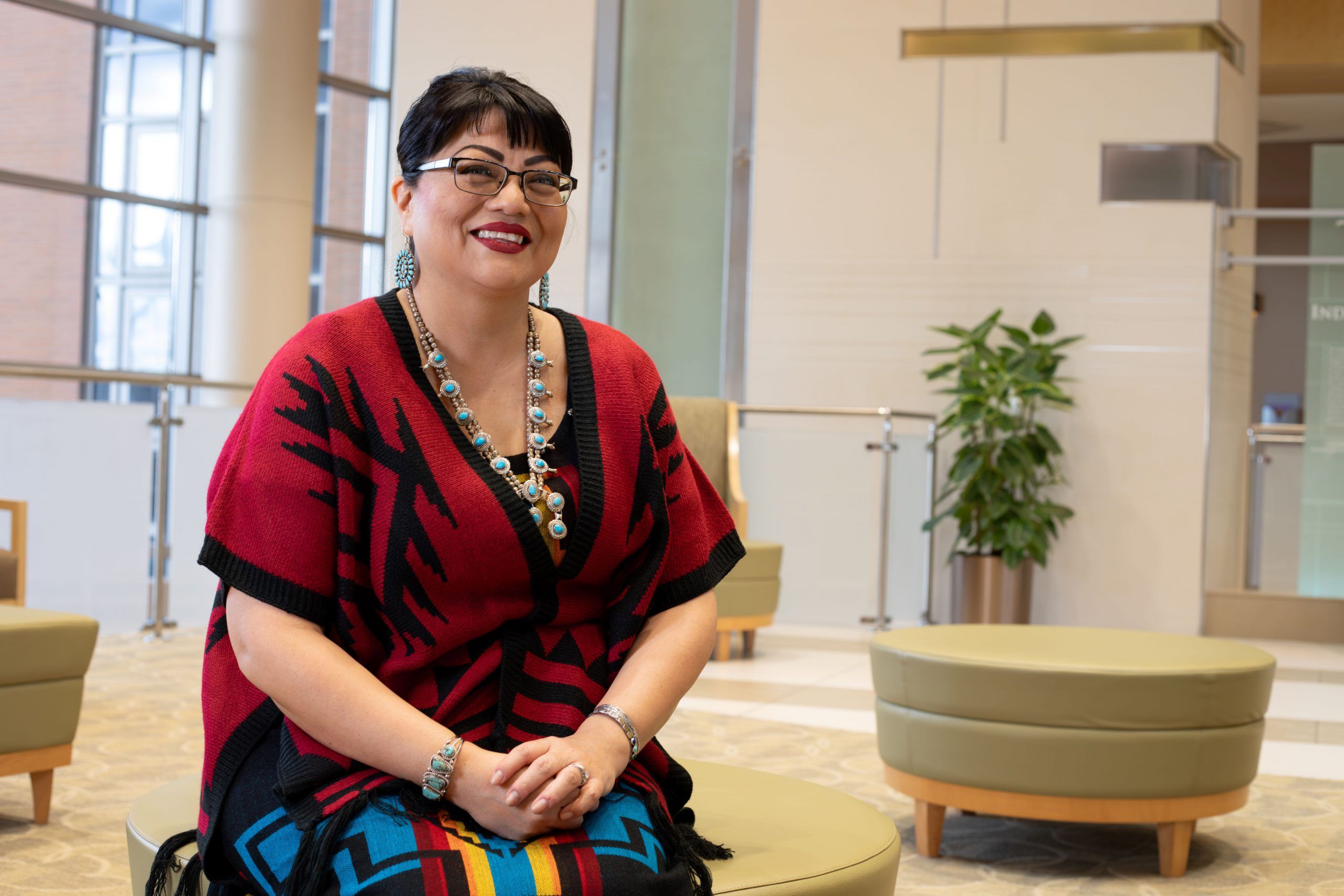
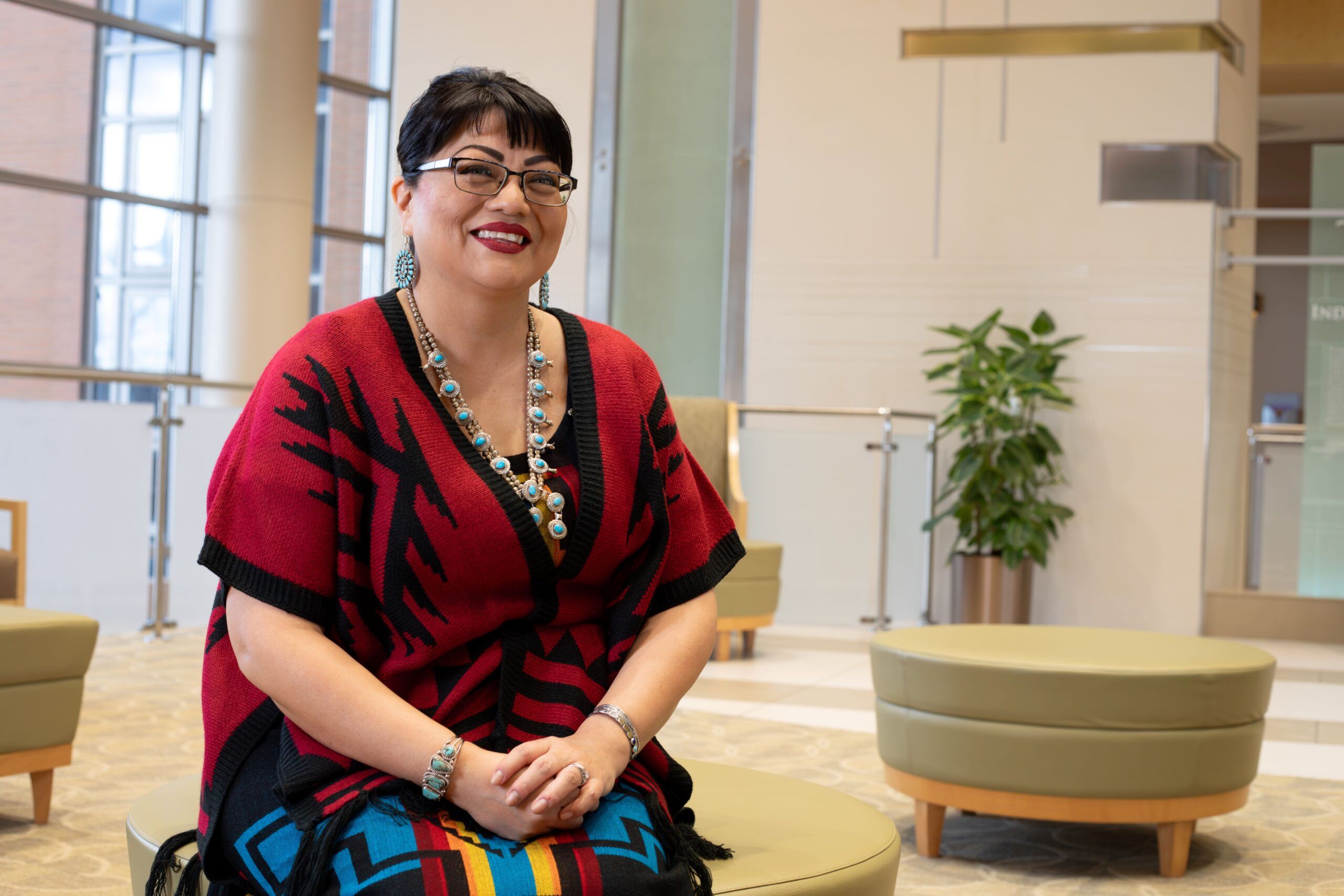
Stephanie Tancreti remembers weekends in the woods with her family. They cut down trees, chopped the wood, and hauled it home.
“At the time it was really fun,” she said, “it felt like we were always camping.”
It wasn’t until she left the Navajo Nation Reservation at 13 to attend boarding school that she understood.
Many reservations have limited access to basic necessities like running water, electricity, and heat.
While her family’s trailer had electricity, water was scarce, and heat nonexistent. “We had to use a wood stove to keep our home heated.”
Though she’s now more than a thousand miles from the reservation, her Navajo roots anchor her in everything she does.
Leading with determination, respect, and empathy
Today, Stephanie leads what she calls a “regular, everyday life,” working as the clinical nurse manager for Soin Medical Center’s emergency center.
Stephanie started at Kettering Health in 2012 as a bedside nurse. She soon began rising through the ranks—from charge nurse to assistant nurse manager to manager. She earned her master’s in nursing education while working full time and serving as a clinical nurse instructor at Kettering College.
She attributes much of her success to strong role models. Both her mother and her grandmother had careers in healthcare, too.
Stephanie is compassionate toward every patient she serves at Soin Medical Center. But she connects deeply with two populations in particular. When rounding in the emergency center, she listens closely to older patients, often speaking to them directly instead of only to their families—a sign of respect that is integral in the Navajo Nation. She’s also understanding of anyone battling substance abuse and depression, disorders that disproportionately affect Natives.
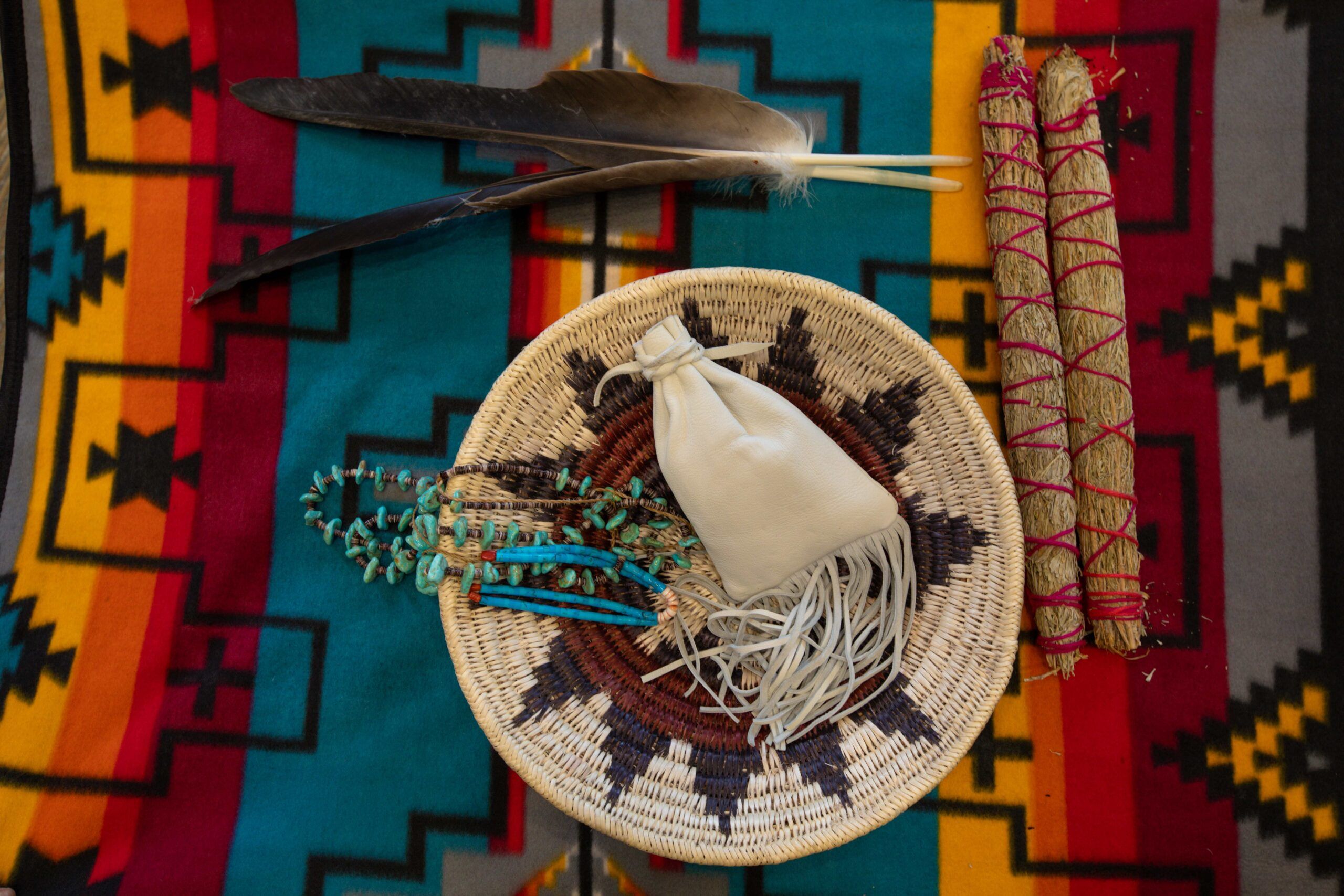
If a co-worker is going on maternity leave, she gives them juniper beads—a Navajo tradition to bless babies and help keep them safe. And she ensures her team feels seen by showcasing their cultural backgrounds and traditions.
Stephanie’s value of respect shows up in all her relationships, including with her colleagues. “I don’t look at them just as my team members,” she said. “I look at them like my family.”
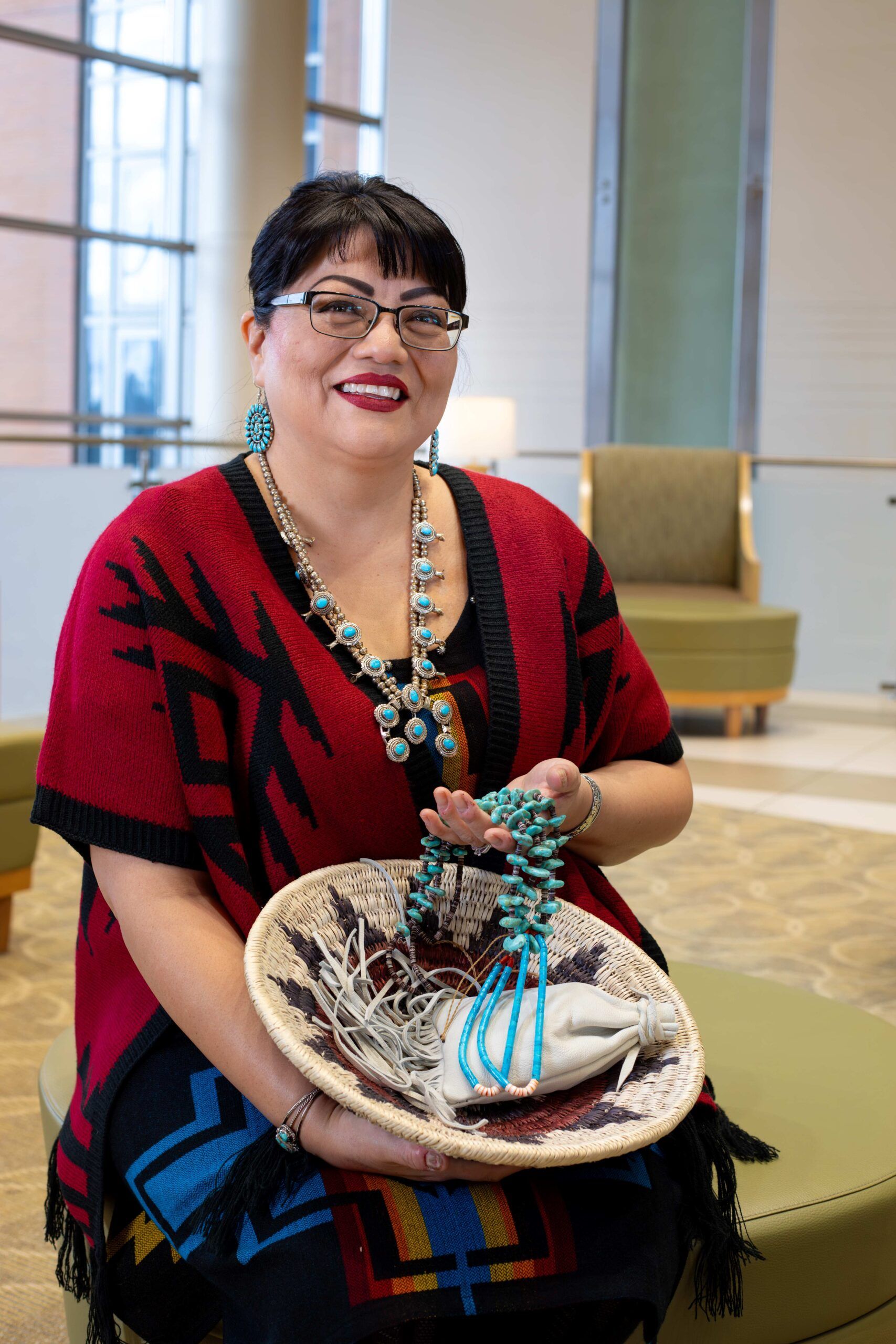
She also asks about common misconceptions and cultural practices when meeting with them one-on-one. Above all, she wants people to be proud of where they came from and accept the struggles they’ve faced, like she has.
“I realized as I progressed as a leader that that is actually a part of me,” Stephanie said. “That’s what makes me better at my job. I’m able to identify with people.”
Being aware
Stephanie shared some insight to help us all be more aware and, ultimately, inclusive.
- Ask, don’t assume. A person’s appearance doesn’t always indicate their race or cultural background.
- Refer to people of Native American heritage as “Natives.” If you want to know someone’s specific roots, ask what nation they belong to instead of what tribe.
Supporting DEI at Kettering Health
Find events, educational resources, and volunteer opportunities in your inbox each month through the DEI e-newsletter.