



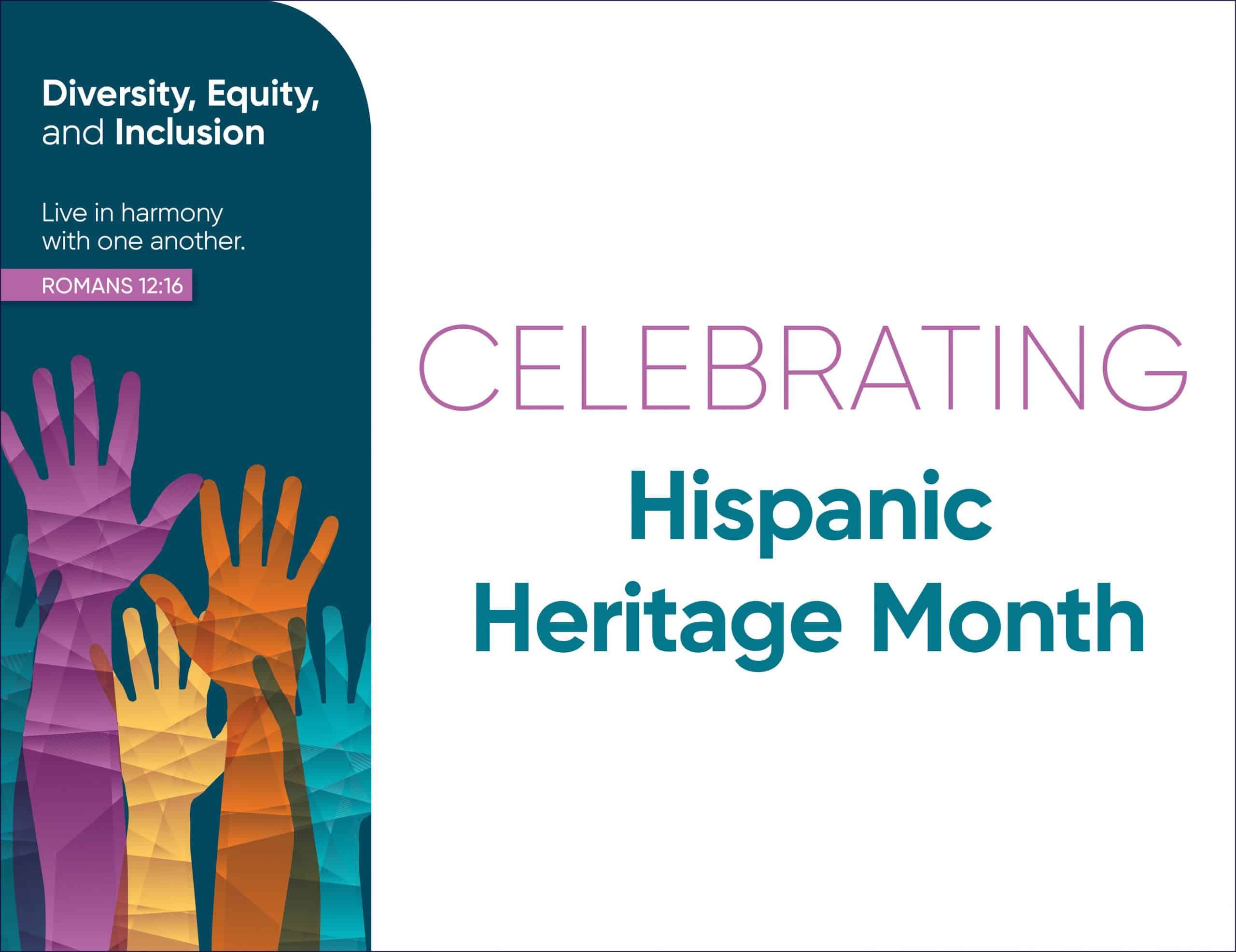

Each year, Americans observe National Hispanic Heritage Month from September 15 to October 15 by celebrating the history, culture, and contributions of American citizens whose ancestors came from Spain, Mexico, the Caribbean, and Central and South America.
The observation started in 1968 as Hispanic Heritage Week under President Lyndon Johnson and was expanded by President Ronald Reagan in 1988 to cover a 30-day period starting on September 15 and ending on October 15. It was enacted into law on August 17, 1988, on the approval of Public Law 100-402.
September 15 is significant because it’s the anniversary of independence for Latin American countries Costa Rica, El Salvador, Guatemala, Honduras, and Nicaragua. In addition, Mexico and Chile celebrate their independence days on September 16 and September 18, respectively. Columbus Day, or Día de la Raza on October 12, also falls within Hispanic Heritage Month.
Click here to learn more about Hispanic culture through exhibits, collections, history, music and performing arts, poetry, literature, and more.
Community events
Take a moment this month to learn more about Hispanic heritage by attending events. We’ve done the work for you and found different events in the Dayton and surrounding areas where you can celebrate diversity and learn more about Hispanic Heritage Month!
- Hispanic Heritage Festival, September 16, RiverScape MetroPark
- Hispanic Heritage Festival, September 17, Sharon Woods in Sharonville, OH
Culture, Traditions, and Ways to Celebrate
According to 2020 Census data, there are 62.1 million Hispanics living in the United States, representing the second largest ethnic group. That’s 18.9% of the total U.S. population. Spanish is the second most spoken language in the U.S. The Latino and Hispanic communities of the U.S. originate from South and Central American countries including but not limited to Mexico, Puerto Rico, Peru, the Dominican Republic, and Columbia.
What’s the difference between Hispanic and Latino?
Hispanic refers to people in the Americas and Spain with ancestry from a country whose primary language is Spanish. Latino refers to a person with ancestry in Latin America (Mexico, Central and South America), and the Caribbean.
Hispanic culture and traditions
Hispanic families tend to have a patriarchal structure. Religion plays an important role in Hispanic life, and respect for elders is emphasized. Mealtime and enjoying the family’s traditional dishes together is very important. Written and spoken literature has a rich tradition in the Hispanic culture.

Ways to celebrate Hispanic Heritage Month
- Support a Hispanic-owned business or restaurant.
- Cook a Latin-inspired meal with family and friends.
- Create a Latin music playlist with artists like Gloria Estefan, Selena, Mark Anthony, Shakira, or Carlos Santana.
- Take dance or exercise classes.
Learn more about Hispanic culture through exhibits, collections, history, music and performing arts, poetry, literature, and more here.